Carbon monoxide (CO) is known as the ‘silent killer’ and for good reason. It’s an odourless, colourless and tasteless gas that can cause serious harm or even death before you realise anything is wrong. Whether you’re a homeowner, landlord, or simply someone trying to make their living space safer, choosing the right carbon monoxide alarm is essential.
What is carbon monoxide and why is it dangerous?
Carbon monoxide is a byproduct of incomplete combustion. When fuels like gas, wood, coal or oil don’t burn completely, CO is released into the air. The danger lies in how easily it can go undetected. It binds with haemoglobin in your blood faster than oxygen does, effectively starving your body of the oxygen it needs to function.
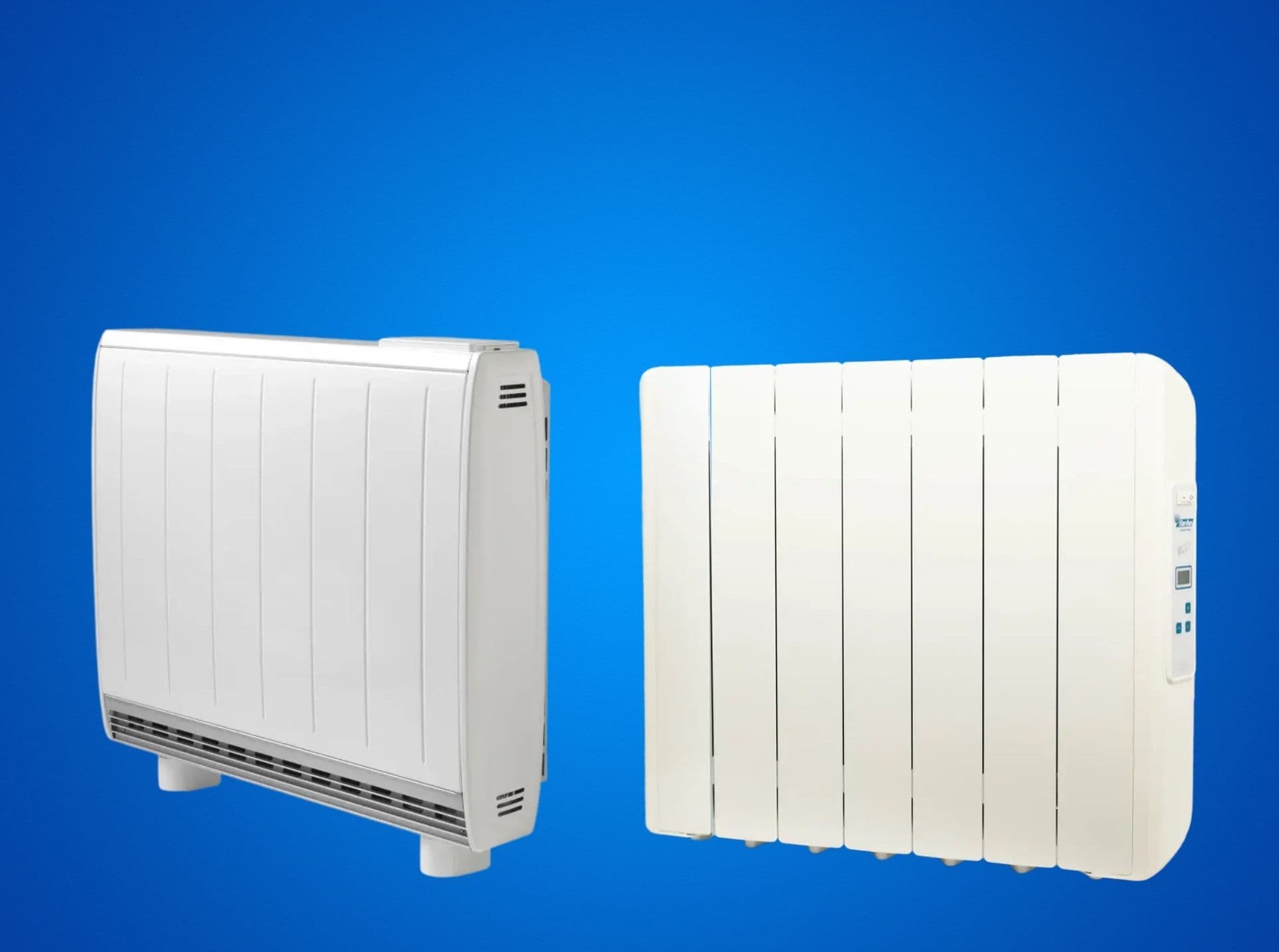
Carbon Monoxide is more common than you might think. It can come from faulty boilers, gas fires, cookers, blocked chimneys and even car engines left running in enclosed spaces like a garage. The early symptoms of CO poisoning can be hard to place too. Things like headaches, dizziness and nausea, which are all symptoms, can easily be mistaken for the flu or general tiredness. That’s why detection devices are really important.
Do you legally need a carbon monoxide alarm in the UK?
Yes, in many cases it’s a legal requirement. UK regulations have evolved over time, especially for landlords. Under the Smoke and Carbon Monoxide Alarm (Amendment) Regulations 2022, landlords have to install a working CO alarm in every room with a fixed combustion appliance (excluding gas cookers). This applies to both private and social housing.
Generally, homeowners aren’t legally required to have one, but it is definitely recommended by fire services and safety experts. It’s a very small investment for a potentially life-saving benefit.
How do carbon monoxide alarms work?
CO alarms detect dangerous levels of carbon monoxide in the air and sound an alarm before it reaches a life-threatening concentration. Most modern alarms use one of the following types of sensors:
- Electrochemical sensors (the most common and reliable): They use chemical reactions to detect CO levels.
- Biomimetic sensors: These mimic the effects of CO on the human body, darkening a gel when CO is present.
- Metal oxide semiconductors: These use a silica chip to detect CO levels electronically.
Each type has its pros and cons, but electrochemical sensors tend to be thought of as the most accurate for domestic use.
Types of carbon monoxide alarms explained
There are a number of variations, models and types out there to choose from. When searching for a CO alarm, you’ll likely see the following.
Battery-operated alarms
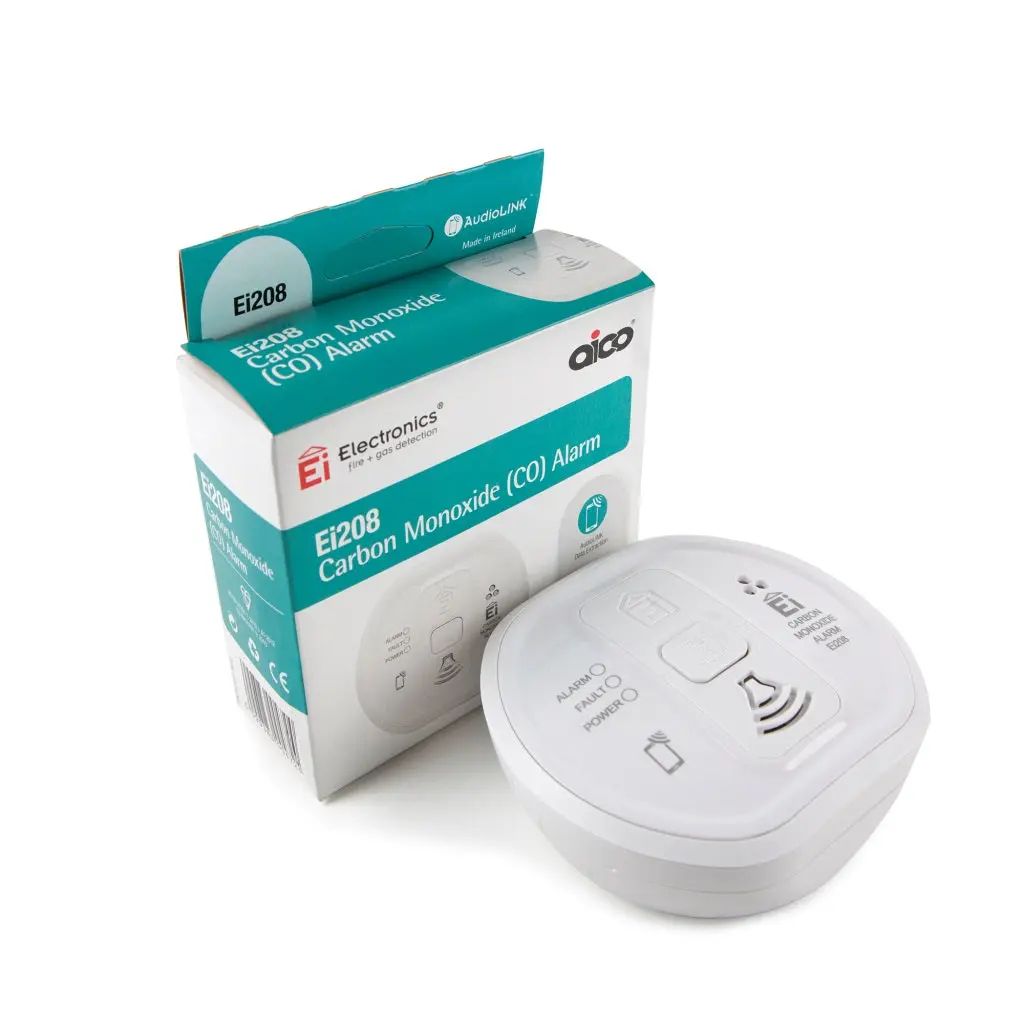
Battery CO alarms are simple to install and highly flexible in terms of placement. Some come with a sealed 10-year battery, so you don’t need to replace the batteries or the alarm each year.
Mains-powered alarms
These hardwired CO alarms are often required in new builds and rental properties. They’re reliable and often include battery backup in case of power cuts which means you’ll still be protected.
Sealed lithium battery alarms
The sealed battery CO alarms tend to be popular. Their long lifespan and tamper-proof design make them a great idea for landlords or HMOs.
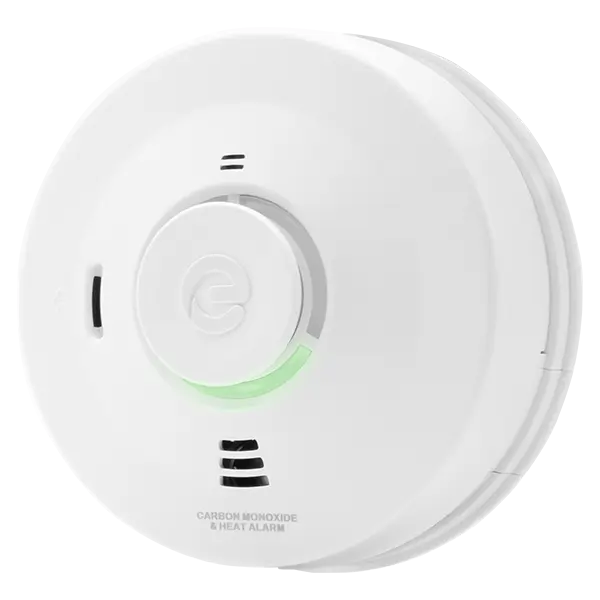
Combined smoke and CO detectors
These dual-sensor alarms help to save space and tend to be useful for smaller homes. Some experts do recommend separate units for each type to help with better accuracy.
Where should you install your alarms?
Proper placement is important; if you don't install your alarm in the right place, you could be increasing the risks of CO poisoning and shortening the amount of time you have to get out of the property and call the authorities. Generally, carbon monoxide alarms should be installed:
- In every room containing a fuel-burning appliance
- At head height (around where your breathing zone would be) if it’s wall-mounted
- On the ceiling if not wall-mounted, but at least 30cm away from walls or other obstructions
- Near sleeping areas so that you can hear the alarm during the night
Avoid placing alarms too close to boilers or fireplaces, as short-term emissions might trigger false alarms. Bathrooms and humid spaces should also be avoided unless the alarm is rated for high humidity.
Key features to look for in a CO alarm
Choosing a good CO alarm isn’t just about picking the cheapest one. There are a number of features to look out for when choosing.
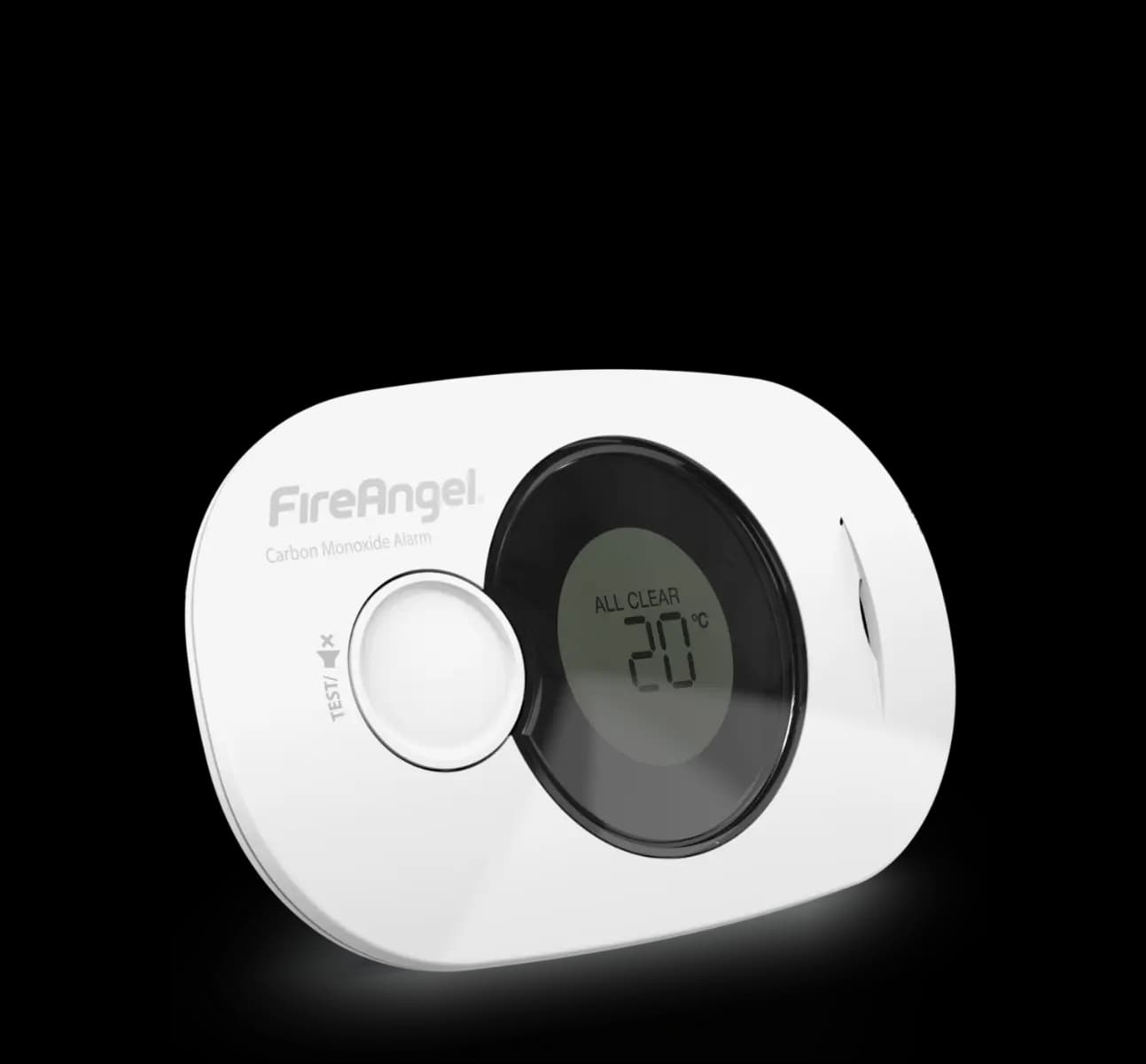
Digital displays
These show real-time CO levels and can sometimes have historical exposure data/information. This helps to give you peace of mind and insight into your exposure levels over time.
Test & hush buttons
These buttons are pretty common. They allow you to test the sensor to make sure its sounder is working correctly. With a hush button, you’ll be able to silence false alarms without removing batteries or having to disconnect it.
End-of-life indicators:
Nowadays, the alarms last 7 to 10 years, so a clear expiry or warning system is really helpful. It’ll help to keep your alarms up to date but we’d recommend also putting a notification in your calendar on your phone too as an extra reminder!
Smart integration
Wi-Fi or Bluetooth-enabled models can send alerts to your phone if you think that would be useful. It’s great for second homes, landlords who manage properties remotely or larger families.
Always make sure your alarm complies with British Standard EN 50291 and has a BSI Kitemark for safety.
How many do you need?
There’s no one-size-fits-all answer to that, unfortunately. A one-bedroom flat with a gas boiler might only need one alarm, while a larger home with multiple fuel-burning appliances may need a few.
A good rule of thumb is to make sure you have an alarm in every room that contains a combustion appliance. You can often Google the types of appliances that might need a carbon monoxide alarm near them. We’d recommend that you have an alarm near bedrooms too, this will make sure that you’ll hear the alarm when you’re asleep.
It’s also useful to have an alarm in your garage just in case.
This may seem excessive, but in practice, the peace of mind can be worth it.
How to test and maintain your carbon monoxide alarm
Testing should be part of your monthly routine. Press the test button to make sure that the alarm sounds correctly. If it’s a smart alarm, check app notifications or logs to make sure that's working too.
Battery-operated alarms may chirp to indicate low battery, while mains-powered units may use LED indicators. Either way, never ignore signs of malfunction. Replace the whole unit at the end of its service life.
Carbon monoxide alarm vs smoke alarms
It’s a common confusion, but these alarms detect completely different threats. A smoke alarm detects visible particles from fire. A carbon monoxide alarm detects an invisible, odourless gas.
You need both. One won’t substitute the other. Combined units are useful in tight spaces, but separate alarms generally provide better performance in dedicated roles.
Staying safe with the right CO alarm
It’s easy to overlook carbon monoxide when thinking about home safety, but it’s one of the most dangerous threats because it’s silent and invisible. Choosing the right carbon monoxide alarm, installing it correctly, and maintaining it properly can literally save lives.
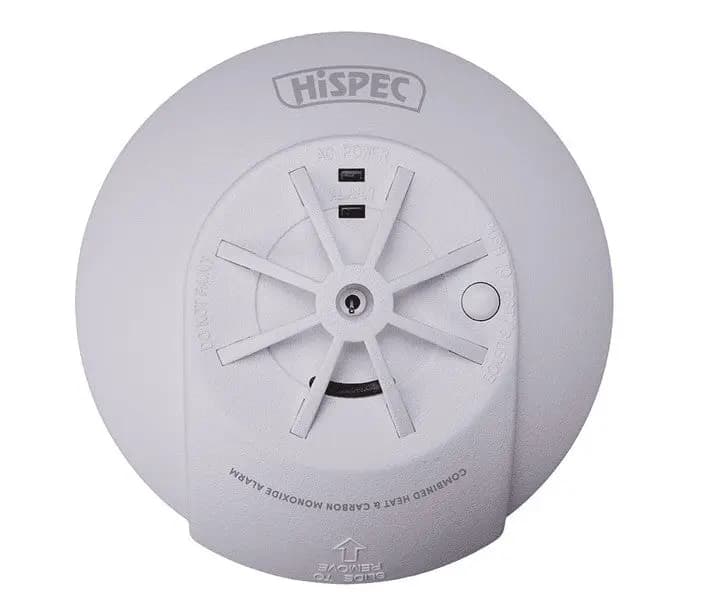
At Alert Electrical, we stock a wide range of certified carbon monoxide alarms from trusted brands like Aico, Hispec, and FireAngel. Whether you’re upgrading your home protection or fitting out a rental property, our team is here to help you find the right solution.