Choosing an electric heater is harder than it looks. Radiators, panel heaters, storage heaters, electric fires and infrared panels can all warm a room, yet they behave very differently once switched on. Pick the wrong one and you can end up with a room that takes hours to warm up, or a heater that costs more to run than it should.
At Alert Electrical, we supply electric heating from trusted brands including Dimplex, Creda, ATC, Rointe and Stiebel Eltron. This guide explains how each type works, what it does best and when it makes sense to buy it.
The short answer
Electric radiators: best for rooms you heat for long periods, such as bedrooms, living rooms and home offices.
Panel heaters: best for quick warmth, occasional use and rooms that need a lower upfront cost.
Storage heaters: best for homes on a cheaper overnight electricity tariff that need all day background warmth.
Electric fires: best for living rooms where the look of a fire matters as much as the heat.
Infrared heating panels: best for gentle, direct warmth in rooms you use for set periods.
What every electric heater has in common
Almost all the electricity an electric heater uses ends up as heat in the room. So the real differences are not about how much heat you get per unit of electricity. They are about how fast the heat arrives, how well it is controlled, how it is delivered and when the heater draws power. Those differences decide which type suits you.
Electric radiators
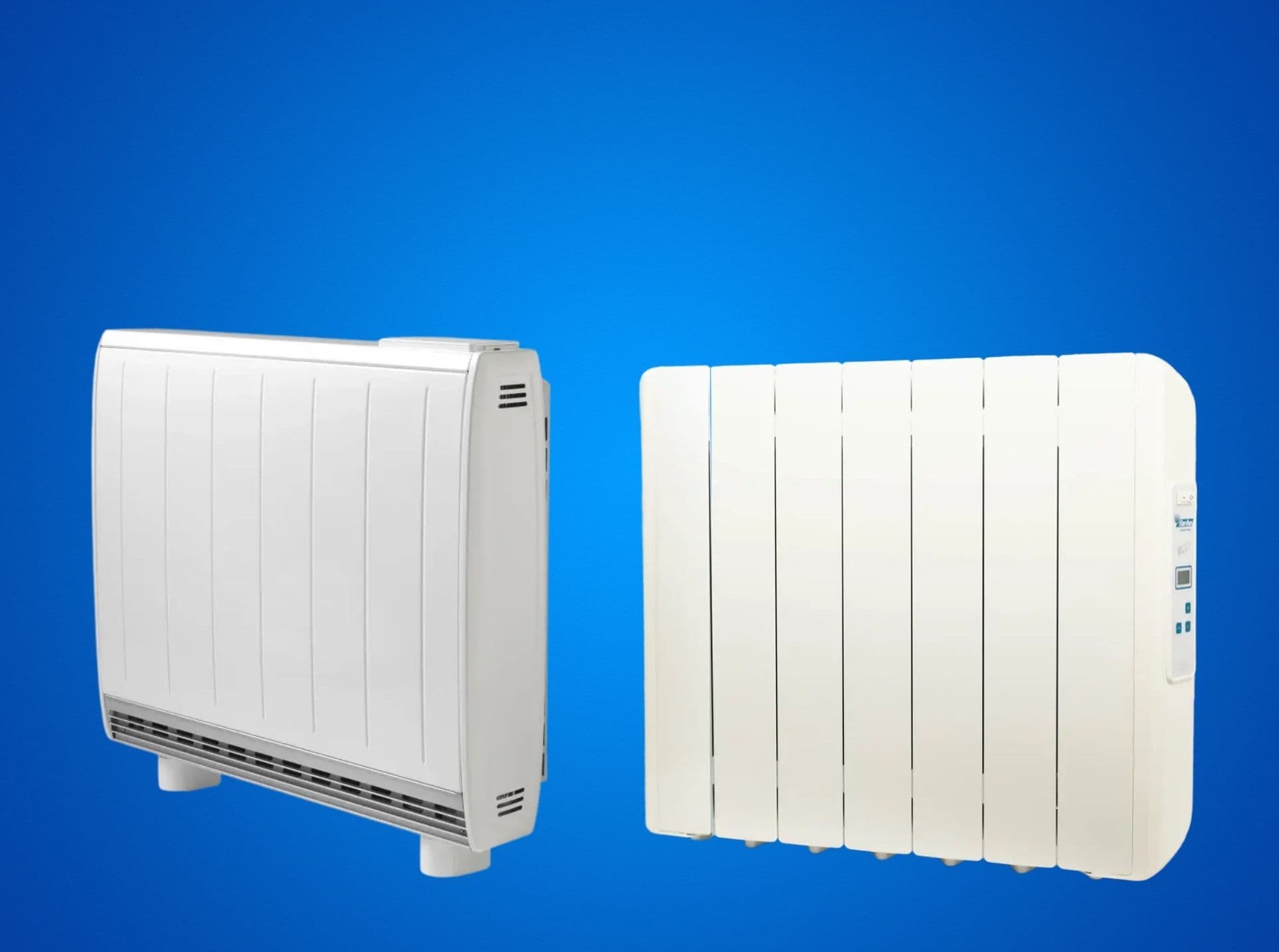
An electric radiator is a wall mounted heater with a sealed thermal fluid or similar heat retaining core. It warms up steadily, holds its temperature and releases heat gradually, which lets the thermostat keep a room at a consistent level without constant switching on and off. Our electric radiators use a mix of radiated and convected heat, and the range is designed to meet the LOT20 efficiency standard introduced on 1 January 2018.
Many models, including the Rointe range, offer 24 hour programming, WiFi control and smart assistant compatibility, so you can heat only when you need to.
Buy an electric radiator if:
- you heat the room for several hours every day
- you want accurate temperature control and programmable schedules
- you are replacing an older storage heater or portable oil filled radiator
- you want a heater that is quiet, fixed in place and out of the way
Worth knowing: the purchase price is usually higher than a basic panel heater, and a radiator is not as quick to respond to short bursts of use.
Panel heaters
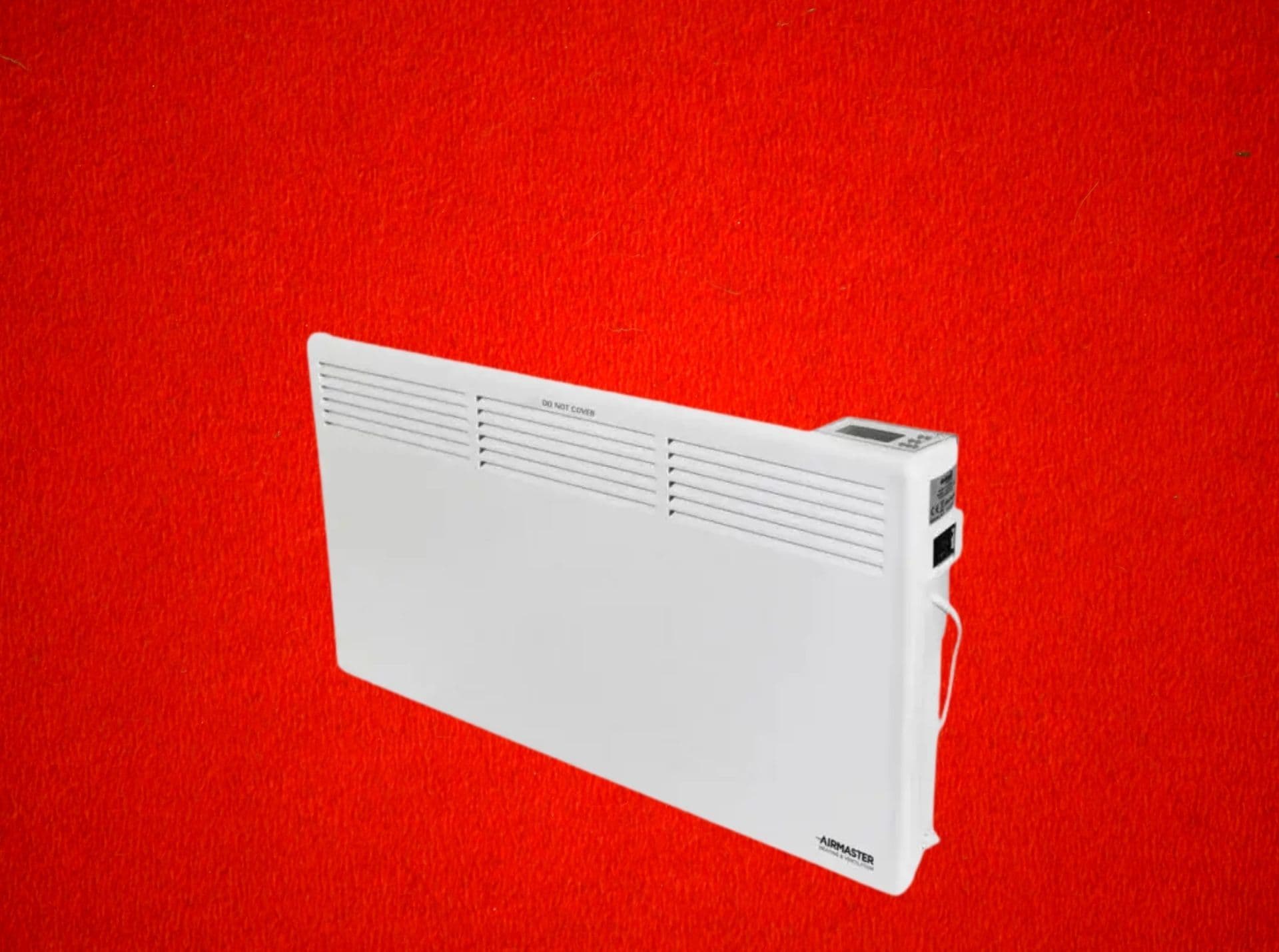
A panel heater is a direct acting heater. It runs on standard rate electricity and warms a room quickly using convection alone or a combination of radiated and convected heat. Panel heaters are slim, simple to install and typically cost less to buy than radiators.
Modern models include digital thermostats, timers and open window detection. Some, such as the ATC Almeria Eco range, add a landlord mode that locks the temperature range and operating times, which is useful for rented properties.
Buy a panel heater if:
- the room is used occasionally, such as a spare room, utility room or home office
- you need heat quickly rather than all day
- you want a lower upfront cost
- you are heating a rental property or temporary space
Worth knowing: panel heaters cool down quickly once switched off, so they suit short or occasional use better than all day heating.
Storage heaters
Storage heaters work differently. They charge overnight, ideally on a cheaper tariff such as Economy 7, store the heat in a dense core and release it through the day. Modern models from Dimplex (including the Quantum range) and Creda have electronic controls, and some include a fan for a quick boost when you need extra warmth.
Buy a storage heater if:
- your home is on, or can be switched to, an overnight cheaper rate tariff
- you are at home for much of the day and want steady background heat
- you have no gas supply and want a dedicated whole home electric system
Worth knowing: storage heaters are heavy and need planning ahead, because the heat you get today depends on how much was stored overnight. They are less suited to rooms used only for short periods. A qualified electrician should install them, as they normally need their own supply.
Electric fires
An electric fire gives you a realistic flame effect with the safety and convenience of electricity, and no chimney is required. Many models let you run the flame effect with or without heat, and most are designed to add warmth rather than act as the sole heat source for a large space. Dimplex electric fires are a popular choice for living rooms.
Buy an electric fire if:
- you want a focal point for a living room or lounge
- you need supplementary heat on cooler evenings
- the look of the room matters as much as the output
Infrared heating panels
Infrared panels warm people and surfaces directly rather than relying on heating the surrounding air. That means less warmth is lost to draughts or rising to the ceiling. They are slim, can be wall or ceiling mounted, and many offer WiFi control. For example, the Project Cürv Elegance infrared glass heater is a 750W glass panel suited to rooms of around 12.5m² and includes a programmable seven day timer.
Buy an infrared panel if:
- you want gentle, direct warmth in a room you use for set periods
- the space is draughty or has high ceilings
- you prefer a slim, modern look with smart controls
Worth knowing: infrared heat is felt where the panel can "see" you, so large furniture in the way can reduce the effect. It is also still electric heating, so running costs depend on usage, not on the technology alone.
Electric heater types at a glance
Electric radiators heat with radiated and convected warmth from a heat retaining core. They warm up steadily, suit daily heating in main rooms and cost more to buy.
Panel heaters are direct acting and mostly use convection. They heat up fast, suit occasional use and rental properties, and cool quickly once switched off.
Storage heaters store heat overnight and release it through the day. They are slower and need planning ahead, suit homes on a cheaper overnight tariff, and are heavy to move and fit.
Electric fires use fan or radiant heat with a flame effect. They heat quickly, suit living rooms and work best as supplementary heat rather than a main source.
Infrared panels warm people and surfaces directly. You feel the warmth quickly, they suit offices and draughty or high-ceilinged rooms, and they need a clear line of sight to be effective.
How to choose in four questions
1. How often will you use the room? Daily and for long periods points to a radiator or storage heater. Occasionally points to a panel heater.
2. What electricity tariff are you on? Storage heaters only make financial sense with a cheaper overnight rate. Check your tariff before you buy.
3. How big is the room? As a rough starting point, many installers use around 100W per square metre, then adjust for insulation, ceiling height and window area. A well insulated room needs less. If you are unsure, our team can help you size it.
4. Is it your main heating or a top up? For main heating, choose radiators or storage heaters. For a top up, panel heaters, fires and infrared panels are all sensible options.
Frequently asked questions
Are electric radiators cheaper to run than panel heaters?
Both turn nearly all their electricity into heat, so the difference comes from control and use. Electric radiators hold and release heat steadily, which generally makes them the more economical choice for main heating over long periods. Panel heaters suit shorter, occasional use.
Do I need a special meter for storage heaters?
To get the benefit, you need a tariff that offers cheaper overnight electricity, such as Economy 7. Without one, you would charge the heater at standard rates. Speak to your supplier before you buy.
Are infrared panels cheaper to run than other electric heaters?
Not automatically. All electric heaters convert electricity to heat very efficiently. Infrared panels can feel comfortable at a lower air temperature because they warm you directly, but actual running costs depend on how you use them.
Can electric heaters be my only source of heating?
Yes, many homes, particularly flats and properties without gas, rely entirely on electric heating. Radiators and storage heaters are the usual choices for whole home heating, matched to each room's size and insulation.
Do I need an electrician to install an electric heater?
Plug in heaters only need a suitable socket. Fixed, hard wired heaters, and storage heaters in particular, should be fitted by a qualified electrician.
Can I use an electric heater in a bathroom?
Only if it is designed for wet environments and carries the correct IP rating for its zone in the room.
Need help choosing?
The right electric heater depends on your room, your routine and your tariff. Browse the full electric heating range or contact the Alert Electrical team and we will help you find the best fit.