If you've recently made the switch to an electric vehicle — or you're seriously considering it — one of the first questions you'll ask is: "How do I charge it at home?" It's a great question, and one we get asked regularly here at Alert Electrical. The good news is that home charging is straightforward, affordable, and far more convenient than most people expect.
In this guide, we'll walk you through everything you need to know. From the different ways to charge at home, what equipment you'll need, how long it takes, and how to make sure your home's electrics are up to the job.
Can You Charge an Electric Car at Home?
Yes, and for the vast majority of EV drivers, home charging is their primary way of keeping the battery topped up. Think of it a bit like your mobile phone: you plug it in overnight, and in the morning it's ready to go. Most people never need to think about it beyond that. Industry figures consistently show that around 80% of all EV charging in the UK takes place at home.
There are two main ways to charge at home:
1. A standard 3-pin plug (slow charging)
Every electric car comes with a cable that plugs into a standard UK 13A socket. This is known as "granny charging" in EV circles — it works, but it's slow. At around 2.3kW, you can expect to add roughly 8–10 miles of range per hour of charging. For low-mileage drivers who only need to top up overnight, this can be adequate, but it is not recommended as a permanent solution. A standard domestic socket is not designed to sustain a continuous high load for many hours at a time, and regularly doing so can cause wear and heat build-up over time.
2. A dedicated home EV charger (fast charging)
This is the recommended route for most households. A dedicated wall-mounted EV charger — sometimes called an EVSE (Electric Vehicle Supply Equipment) or wallbox — delivers a much faster charge, typically at 7.4kW. At this rate, you can add around 25–30 miles of range per hour, meaning most EVs charge fully overnight in around 7–9 hours.
Do You Need a Special Charger?
Not technically — but yes, practically. While using a 3-pin socket is fine for occasional or emergency use, a dedicated home charger is safer, faster, and better suited to regular charging. It's also designed specifically for the job, with built-in safety features, weather protection (for outdoor installation), and smart controls that let you schedule charging for off-peak electricity tariffs.
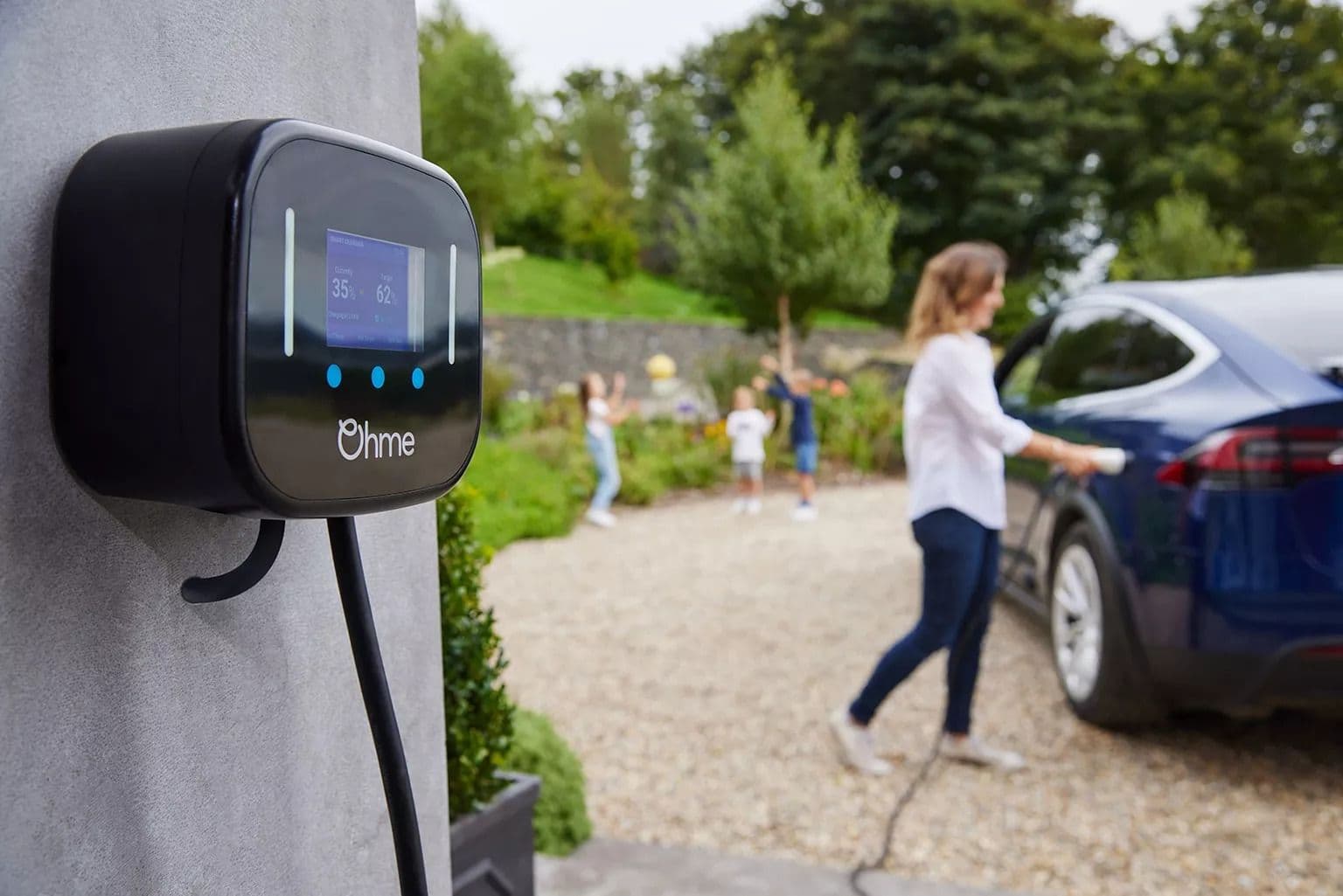
At Alert Electrical, we stock a range of home EV chargers from trusted brands including Project EV, Ohme, EVEC, and FastAmps — all OLEV approved and fully compliant with the latest UK regulations, including 18th Edition wiring standards.
What Type of Home EV Charger Do You Need?
When shopping for a home charger, there are a few key things to consider:
Charging speed (kW output)
For home use, a 7.4kW single-phase charger is the standard choice and is suitable for most UK households. Some newer properties, or those with three-phase electricity supplies, can access 11kW or 22kW chargers, though these are far less common in domestic settings and require a costly supply upgrade.
Smart vs. non-smart chargers
Smart chargers connect to your home Wi-Fi and can be controlled via an app on your phone. This lets you schedule charging to take advantage of cheaper off-peak electricity tariffs, monitor your energy usage, and integrate with solar panels or home energy systems. Since 30 June 2022, all new EV chargers sold in the UK for home and workplace use are legally required to have smart functionality built in, under The Electric Vehicles (Smart Charge Points) Regulations 2021.
Tethered vs. untethered
A tethered charger has the cable permanently attached — convenient and quick to use. An untethered charger has a socket (typically Type 2) that you plug your own cable into. Untethered units are slightly more versatile if you use different cables or lend the charger to visitors.
Indoor vs. outdoor installation
Most home chargers are installed outdoors on a garage wall or the side of a house, so they need to be weatherproof. If your parking is in a garage or carport, you'll have more flexibility. Chargers should always be installed by a qualified electrician.
Will Your Home's Electrics Handle It?
This is a really important question — and one that a qualified electrician will assess as part of any installation. A 7.4kW home charger draws a significant amount of power, so there are a few things to check:
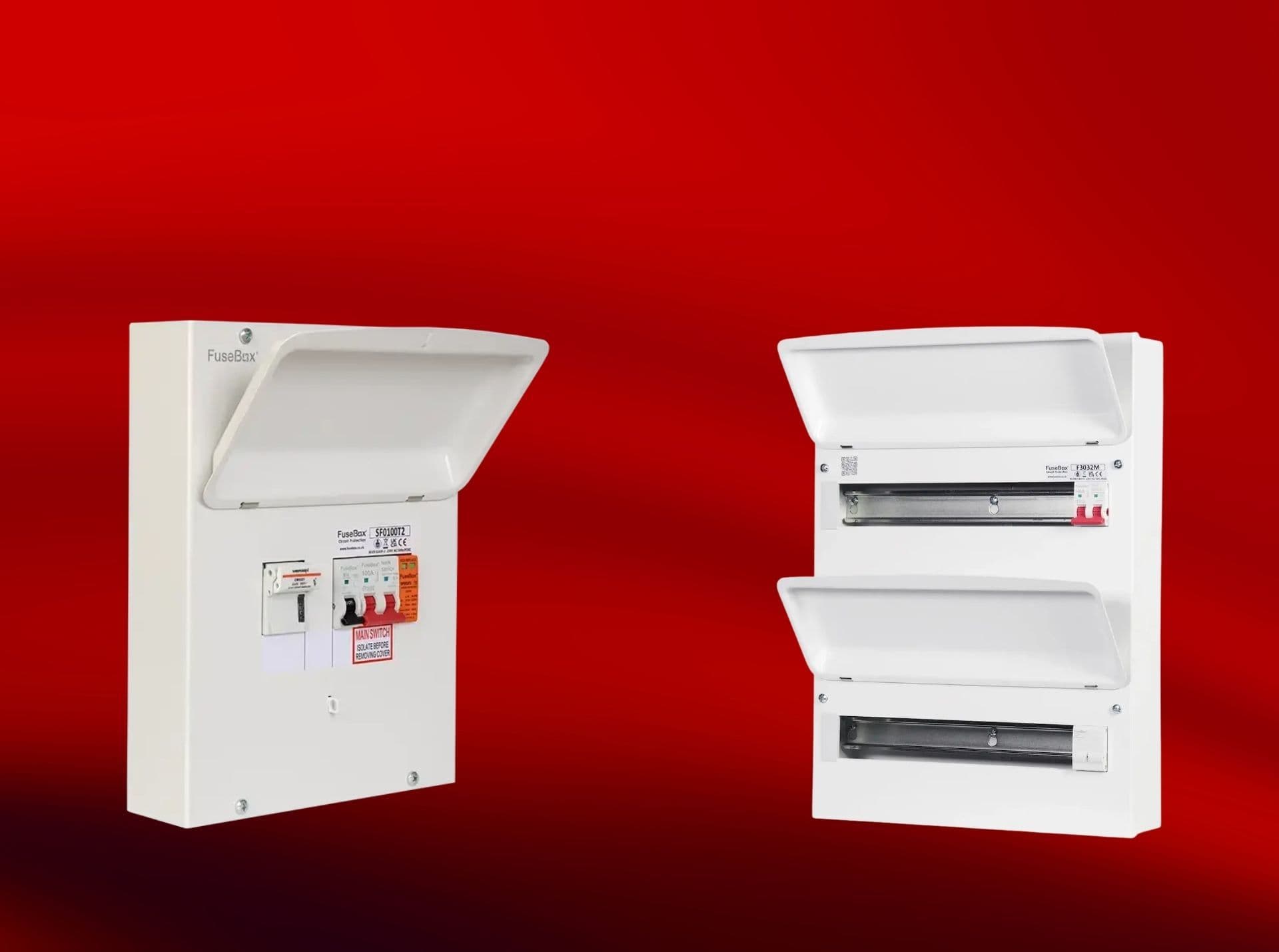
Consumer unit (fuse board) capacity
Your consumer unit needs to have a spare way (circuit breaker slot) for the dedicated EV charging circuit. If your fuse board is older or fully populated, it may need an upgrade. Alert Electrical stocks a comprehensive range of circuit protection equipment for exactly this kind of installation work.
Cable runs and wiring
The EV charger requires a dedicated circuit — it shouldn't share a circuit with other appliances. The cable needs to be appropriately rated for the load and the length of the run. Your electrician will size this correctly and ensure it meets BS 7671 (the IET Wiring Regulations).
Earthing arrangements
Some older properties with PME (Protective Multiple Earthing) supplies need additional earthing protection — specifically a Protective Earth and Neutral (PEN) fault protection device — before an EV charger can be safely installed. Again, this is something your installer will check.
The short answer: most modern homes are perfectly capable of supporting a home EV charger with minimal additional work. Older properties may need a few upgrades first, but these are generally straightforward.
How Long Does It Take to Charge an Electric Car at Home?
This varies depending on your charger speed and your car's battery size. Here's a rough guide:
3-Pin Plug:
Speed: 2.3kW
Approx Miles Added Per Hour: 8-10 miles
Time to Charge a 60kWh Battery (0–100%): ~26 hours
7.4kW home charger:
Speed: 7.4kW
Approx Miles Added Per Hour: 25-30 miles
Time to Charge a 60kWh Battery (0–100%): ~8 hours
22kW charger (three-phase):
Speed: 22kW
Approx Miles Added Per Hour: Up to 80 miles
Time to Charge a 60kWh Battery (0–100%): ~3 hours
In practice, most people charge from around 20% to 80% overnight, which takes considerably less time. Many smart chargers let you set a target charge level so you're not charging to 100% unnecessarily — most manufacturers recommend keeping the battery between 20% and 80% for everyday use to help preserve long-term battery health.
Can You Get Government Help with the Cost?
Yes — and the government scheme was updated on 1 April 2026, so it's worth knowing the latest position.
The Electric Vehicle Chargepoint Grant (EVCG), administered by OZEV (the Office for Zero Emission Vehicles), now provides up to £500 per socket (increased from £350) towards the cost of purchasing and installing a home EV charger. The grant covers up to 75% of the total installation cost, whichever figure is lower.
However, it is important to understand who is eligible:
- Renters and flat owners with dedicated, private off-street parking can apply, provided they own or have ordered an OZEV-approved electric vehicle.
- Residential landlords can also apply — up to 200 sockets per year across their properties.
- Homeowners of standalone houses (terraced, semi-detached, or detached) are not eligible for this particular grant. The grant specifically targets those in flats or rented accommodation.
The scheme is currently funded until 31 March 2027. Eligibility criteria and grant rates can change, so always check the latest information on the GOV.UK website before applying.
Project EV chargers, available from Alert Electrical, are OLEV/OZEV approved — meaning they qualify for use under the scheme where applicable.
What About Portable EV Charging?
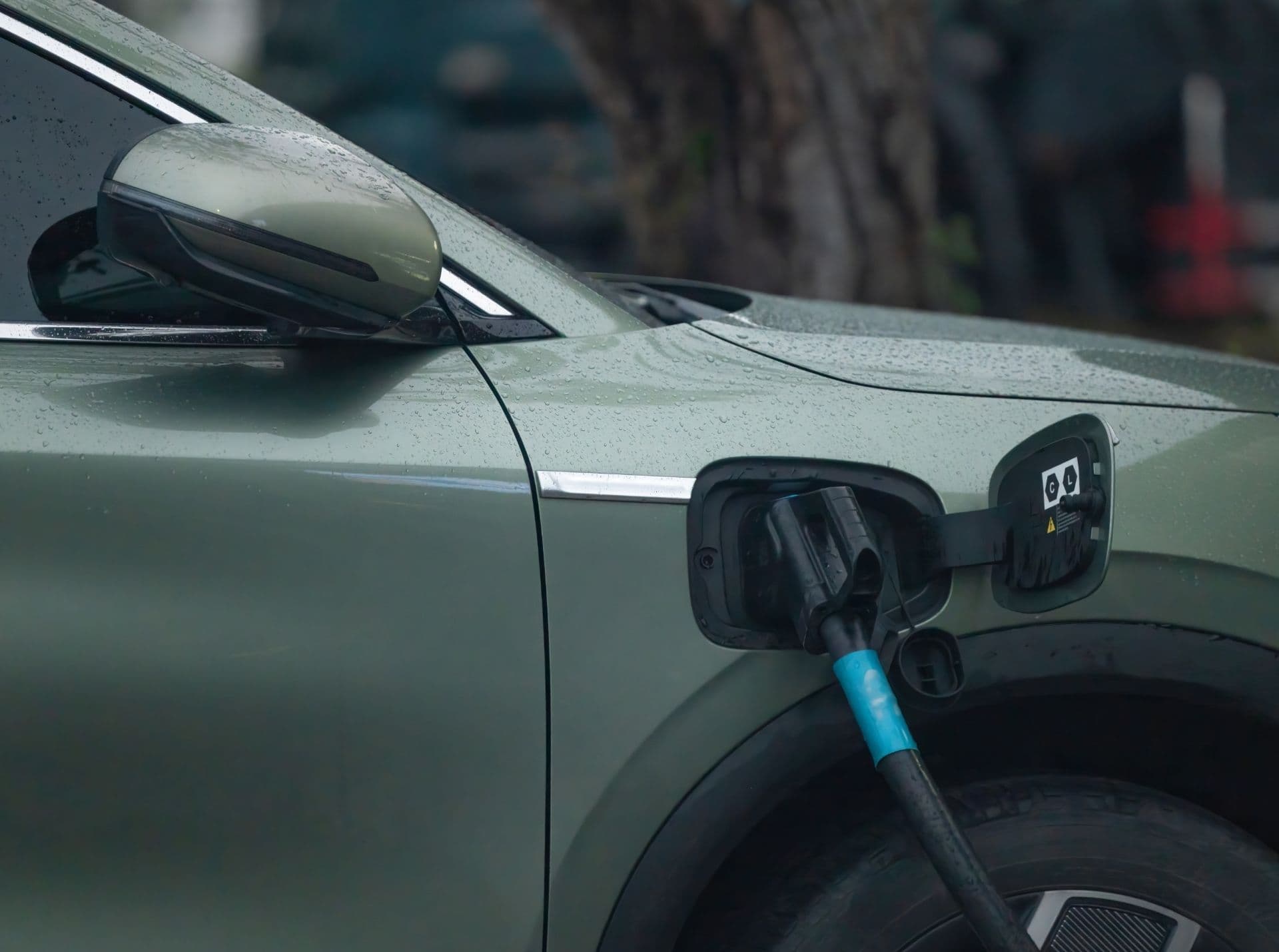
If you need a flexible solution — perhaps you can't have a charger permanently installed, or you travel and need to charge away from home — portable EV charging cables are a practical option. Masterplug Type 2 charging cables, available from Alert Electrical, allow you to charge your electric vehicle wherever a compatible socket is available, including at public charging stations. They're a great backup to have even if you do have a home charger installed.
Is Home EV Charging Safe?
Absolutely — when the equipment is properly installed. Dedicated home EV chargers are designed with multiple built-in safety protections including earth fault detection, overcurrent protection, and weatherproofing. The key is making sure the installation is carried out by a Part P registered electrician who can issue the appropriate building regulations certificate. This not only ensures safety but protects you from a home insurance perspective as well.
Ready to Set Up Home EV Charging?
Whether you're looking for a smart home charger, a portable charging cable, or the electrical installation equipment needed for the job, Alert Electrical has you covered.
We offer free UK delivery on orders over £100 and a price match promise, so you can be confident you're getting the best deal. If you need advice on any of our products, our team is always happy to help — just get in touch or call us on 03339 969999.
Browse the full Alert Electrical blog for more buying guides, product news, and practical advice.