Many homeowners enjoy a bit of DIY, especially when it comes to upgrading a room or refreshing a tired looking space. Electrical tasks often feel like the next logical step. After all, changing a light fitting looks simple and replacing a cracked switch hardly seems dangerous at first glance. The reality is a little more complicated, mostly because UK electrical regulations exist to keep people safe. They also exist to stop small jobs turning into bigger problems later. You can legally do some electrical work yourself, but only within strict boundaries, and that is where things can become confusing.
Understanding UK Electrical Regulations (Part P)
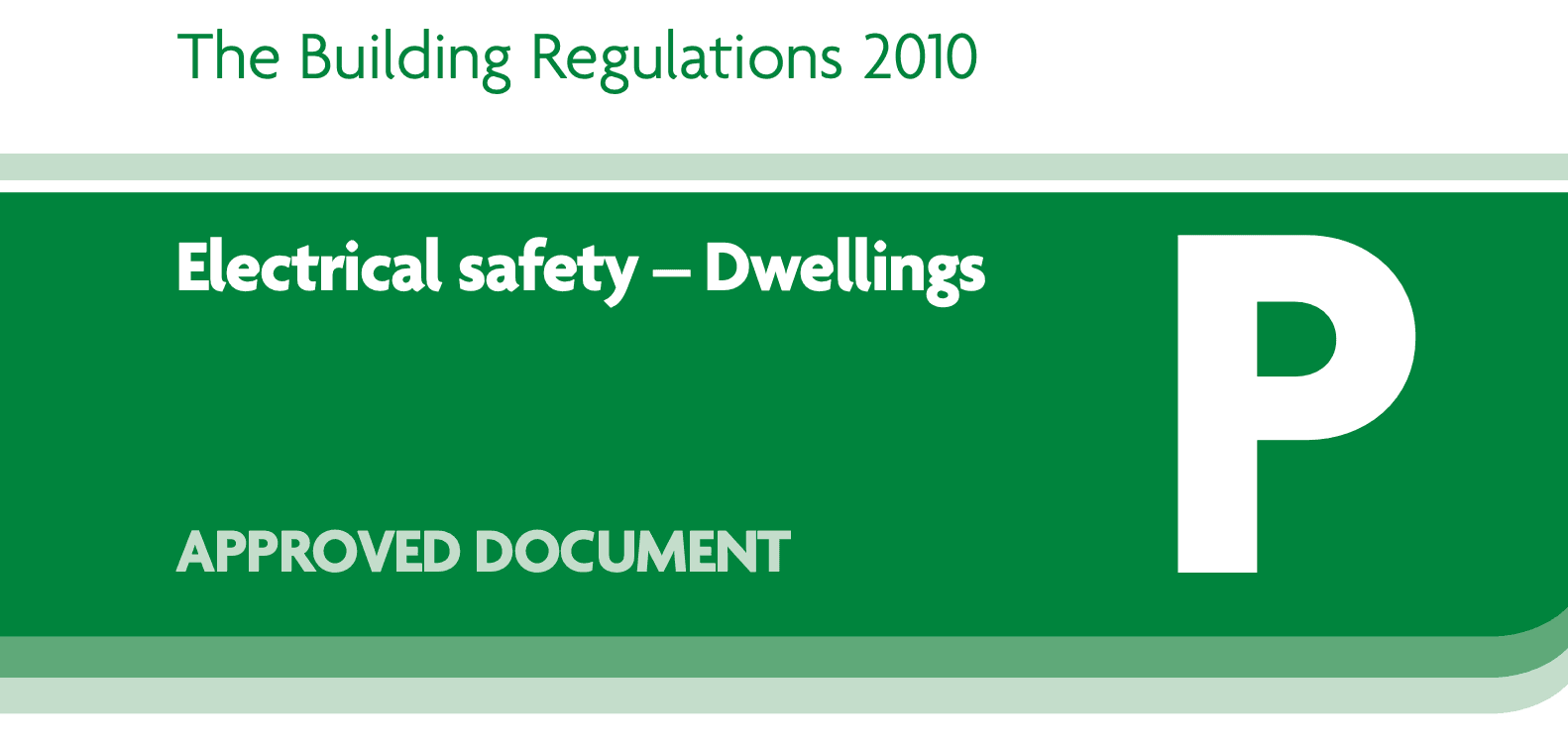
Electrical safety in the home sits under Part P of the Building Regulations, which applies to dwellings in England and Wales. It states that electrical work must be designed and installed so that people are protected from fire and electric shock. That sounds obvious, but it also means some tasks require notification to a local authority or must be carried out by someone registered with a Competent Person Scheme. Scotland and Northern Ireland have similar but separate rules. For most homeowners the important point is that not all jobs are equal. A task that appears very small may still be classed as notifiable because it affects a higher risk area or forms part of a new circuit.
Understanding these rules helps you stay compliant. It also helps you avoid voiding home insurance, which can happen if significant electrical work is done by an unqualified person. The regulations are not designed to stop people doing simple things. They simply recognise that electricity is dangerous when handled incorrectly and that mistakes are often invisible until something goes wrong.
What Electrical Jobs You Can Legally Do Yourself
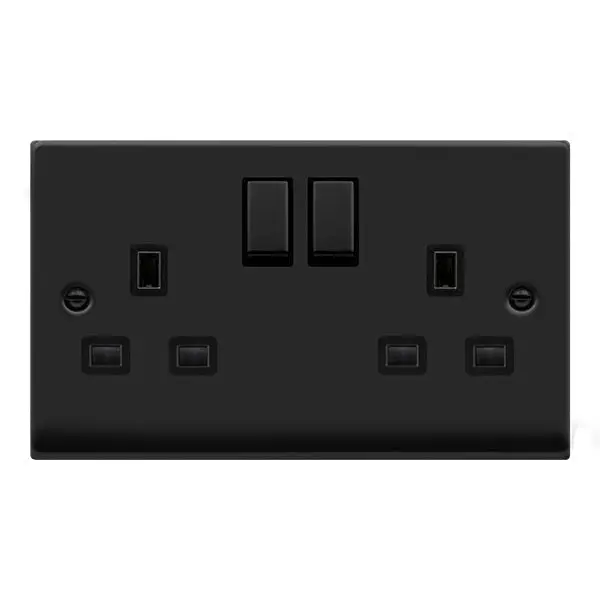
There are several tasks that most people are allowed to carry out, provided they are confident and take sensible precautions. Replacing a like for like light fitting is one of the most common examples. Many homeowners update pendants or decorative shades to freshen a room without needing an electrician. Changing an existing switch or socket is usually allowed too, as long as it is a straight replacement and not a brand new point being added to a circuit.
You can also replace broken or damaged flex on appliances, fit new light bulbs, swap oven lamps, or install basic battery powered devices. In fact, many small domestic upgrades fall into this category. Some people replace shaver sockets or bathroom pull cords because the work does not alter the underlying wiring. The difficulty comes when a small job looks simple but technically counts as an alteration. That is why care is still important. Even permitted tasks require proper isolation of power and correct wiring. Using poor quality fittings can also increase risk. Alert Electrical offers a range of branded switches, sockets and lighting products that meet UK standards, which helps you avoid issues later.
Electrical Work You Shouldn't Do Yourself
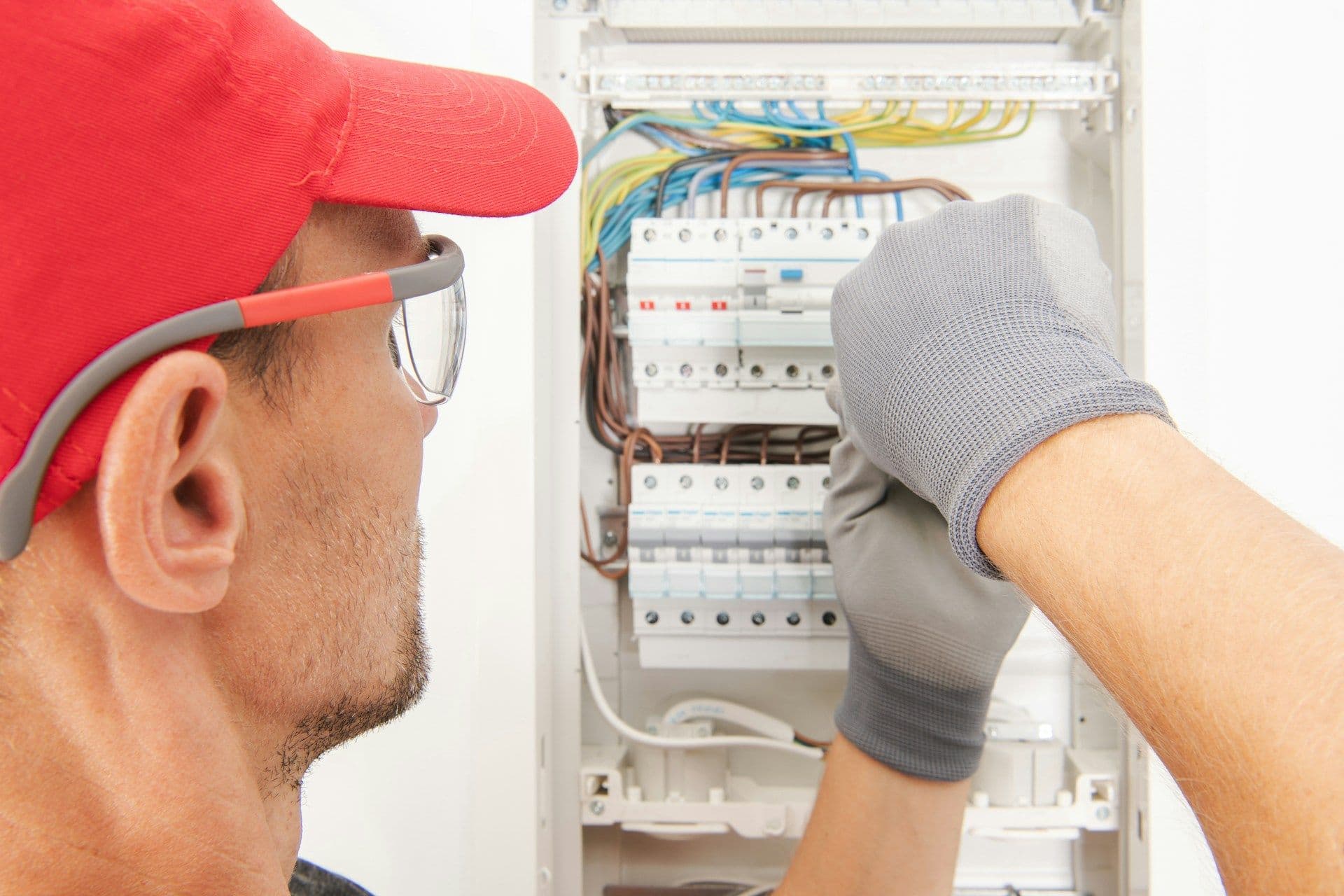
Certain kinds of work are firmly in the hands of qualified electricians. Installing a new circuit is the clearest example and is usually part of large renovation projects. Replacing a consumer unit is also prohibited for DIYers because it involves advanced testing and a complete understanding of the property’s electrical load. Work in kitchens and bathrooms is another category that is heavily regulated due to the increased risk from water. Adding a socket in a kitchen might seem straightforward, but moisture and steam create additional hazards.
Outdoor electrical installations are also off limits. Garden lighting, outbuilding supplies, pond pumps and electric gates all require specialist knowledge. Even experienced DIYers can underestimate the importance of correct earthing and RCD protection outdoors. It is also worth noting that rewiring, even small sections of a cable, counts as notifiable. People sometimes think they can replace a length of damaged cable behind a wall because it was previously in place, but it is still considered alteration work that requires professional oversight.
Common Electrical Tasks
Here's a list of some of the most common electrical tasks that people undertake. We always recommend that you contact a qualified electrician for electrical work but if you're confident, you can so a few thins yourself.
| Task | Could You DIY? | Notes |
|---|---|---|
| Replacing a like for like light fitting | Yes | Permitted as long as the wiring is unchanged and power is isolated at the consumer unit. |
| Changing an existing light switch | Yes | Must be a straight replacement. Extra checks needed for older wiring. |
| Changing an existing socket outlet | Yes | Allowed if like for like. Ensure correct polarity and secure terminals. |
| Replacing a damaged flex on an appliance | Yes | Safe if the flex is replaced correctly and secured with proper strain relief. |
| Fitting new light bulbs or oven lamps | Yes | Completely fine for DIY. |
| Replacing a pendant light or shade | Yes | Straight swap with no wiring alterations. |
| Installing battery powered detectors | Yes | Includes smoke alarms, CO detectors and motion sensors. |
| Replacing a bathroom pull cord switch | Generally yes | Allowed if it is like for like and the wiring is not altered. Extra care due to bathroom zones. |
| Installing a brand new socket or switch | No | Adding a point counts as new work and may be notifiable. |
| Adding or altering a circuit | No | Only a qualified electrician should install new circuits. |
| Replacing or upgrading a consumer unit | No | Requires certification and full system testing. |
| Rewiring sections of a property | No | Even partial rewiring can be notifiable work. |
| Installing outdoor lighting or garden power | No | Outdoor electrics require specialised protection and testing. |
| Wiring an electric shower | No | High load circuits and bathroom zones make this unsuitable for DIY. |
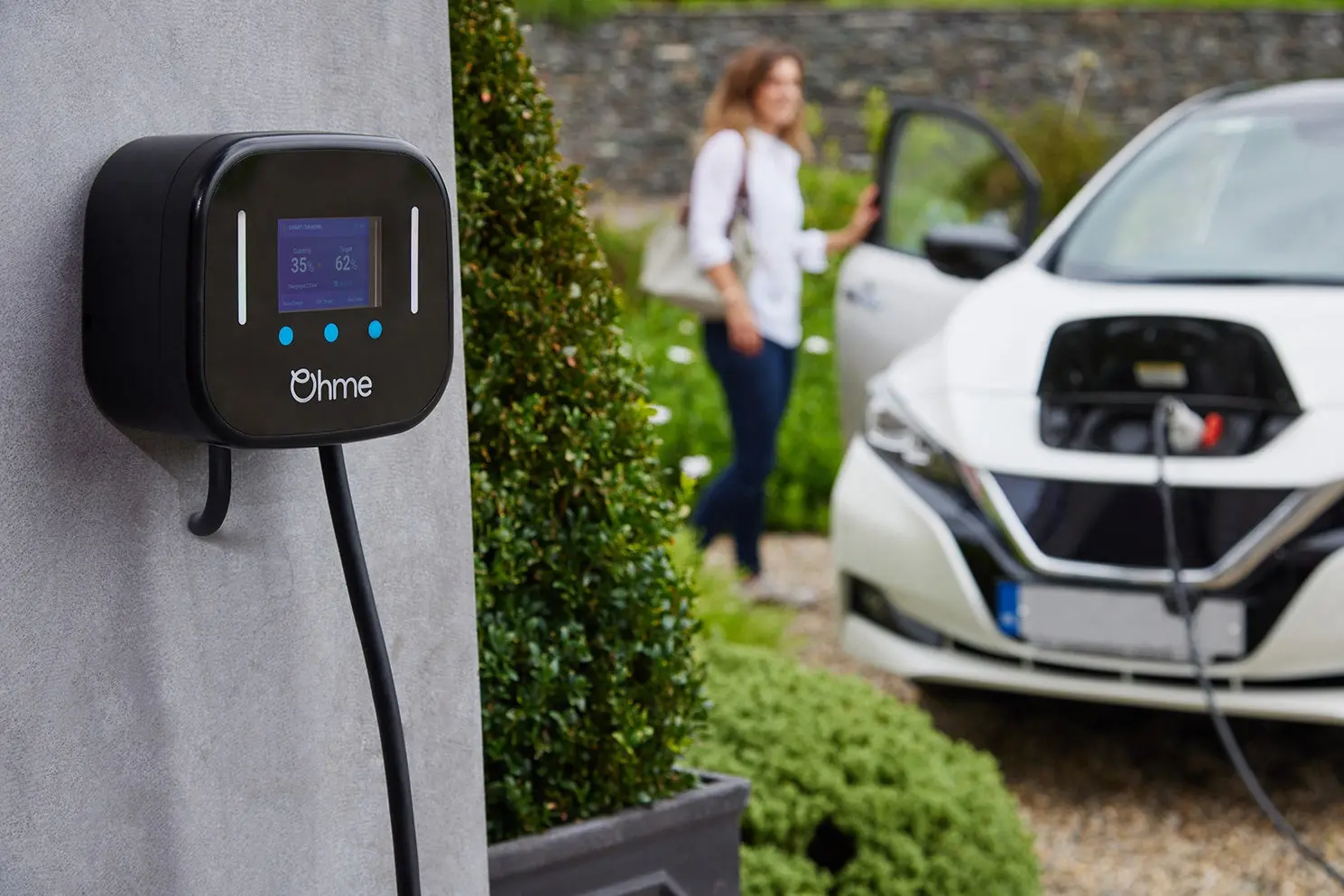
| Installing an EV charger | No | Needs dedicated circuits, earthing checks and certification. |
| Electrical work in bathrooms beyond simple replacements | No | High risk area with specific regulations. |
| Installing power to sheds, garages or outbuildings | No | Treated as a new circuit and should be professionally installed. |
The above are recommendations based on Part P of building regulations. We recommend you contact an hire a qualified electrician for electrical work.
Why Some DIY Electrical Work Is Riskier Than It Looks
Electrical systems hide most of their complexity behind walls and trunking, which makes them feel deceptively simple. It is a bit like fixing a dripping tap. At first you think tightening a nut will solve the problem, but water often finds its way through the tiniest gaps. Electricity behaves in a similarly unforgiving way. A loose terminal might work for months before eventually overheating. An overloaded circuit may seem fine until you plug in one more appliance and trip the supply.
Small mistakes can lead to large consequences. Damaged insulation, incorrect polarity or missing earth connections can all cause serious harm without any visual sign of danger. That is why even the allowed tasks require care, testing and a good level of understanding. If you feel unsure at any point it is usually cheaper and safer to call a professional rather than risk long term issues.
When You Need a Qualified Electrician
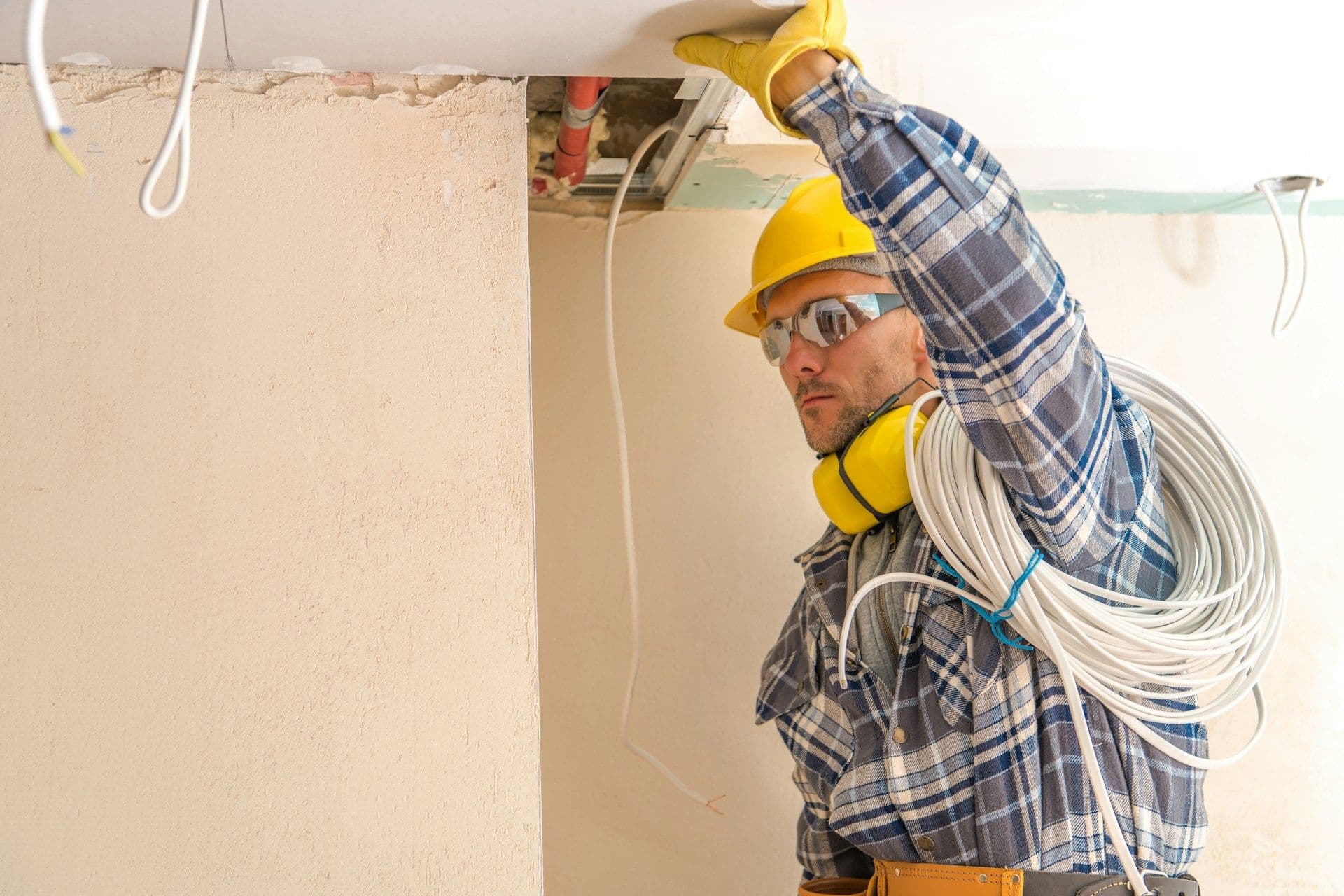
Qualified electricians become essential when the work goes beyond simple replacement. Fault finding is a good example because electrical faults can be subtle and unpredictable. If you are experiencing flickering lights, warm sockets, or repeated tripping, a professional can diagnose the underlying cause safely. Any project that involves significant changes to your electrical system, such as home extensions, kitchen refits or installing an electric vehicle charger, also needs certified work.
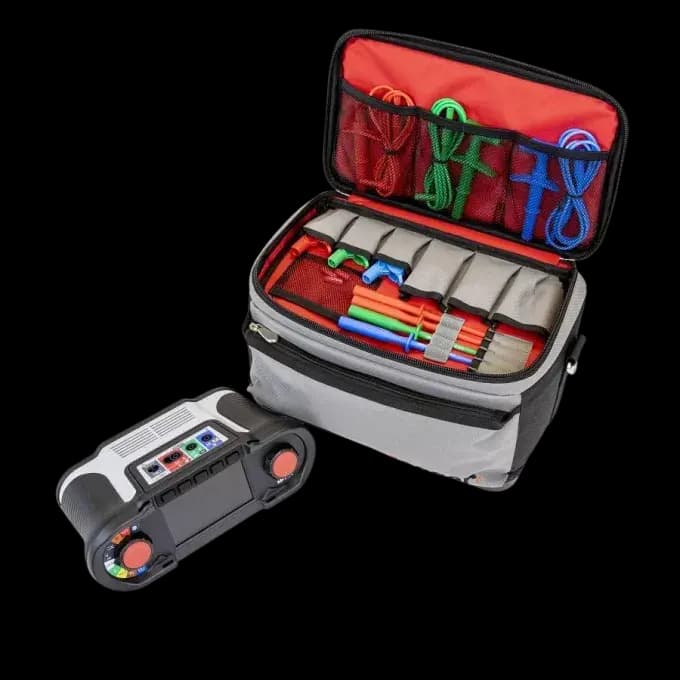
Even if the job seems small, once it requires testing or certification it is no longer suitable for DIY. Electricians carry specialised equipment to measure loop impedance, insulation resistance and RCD trip times. This type of testing is important because it verifies that the circuit is safe after work has been completed. Without it, you might create a dangerous condition without realising.
How to Stay Safe If You Choose to Do Minor DIY Electrical Work
If you decide to carry out permitted tasks, treating safety as your first priority makes the job much smoother. Turning off power at the consumer unit is the most essential step. People sometimes think switching off the light at the wall is enough, but circuits can behave unexpectedly. Using the correct tools, such as insulated screwdrivers and a voltage tester, makes a noticeable difference to safety and confidence.
Double checking wiring diagrams, taking photos before disconnecting anything, and avoiding work in damp or steamy conditions are all sensible habits. Testing the circuit once the work is complete helps ensure everything is functioning correctly. It is very similar to checking that all bolts are tightened properly after assembling flat pack furniture, except the stakes are much higher. If you feel unsure, hire an electrician. There is no shame in asking for help and it often saves frustration in the long run.
Common Myths About DIY Electrical Jobs
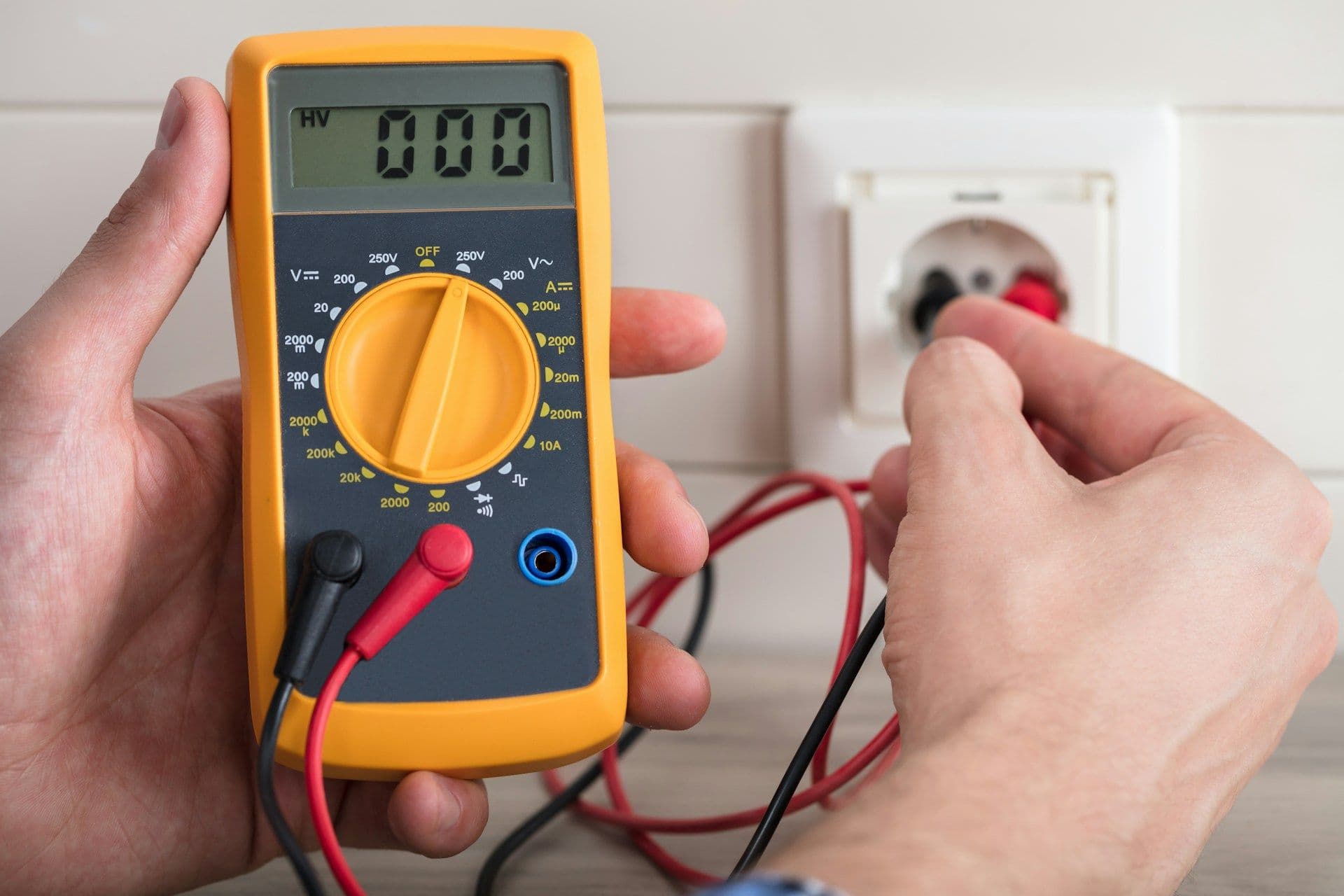
It is easy to pick up myths from friends or social media. One of the most common is the belief that if a fitting works it must be safe. Electricity can produce functional but unsafe conditions. Another myth is that low voltage means low danger, yet even lighting circuits can produce harmful shocks. Some people also assume old wiring can simply be reused because it was fine before. In reality insulation degrades and older materials may no longer meet safety standards.
Debunking these myths is important because they often encourage people to take shortcuts. Good electrical work relies on accuracy, not guesswork. Even small errors can place significant stress on the system.
Useful Products to Support Safe DIY Electrical Tasks
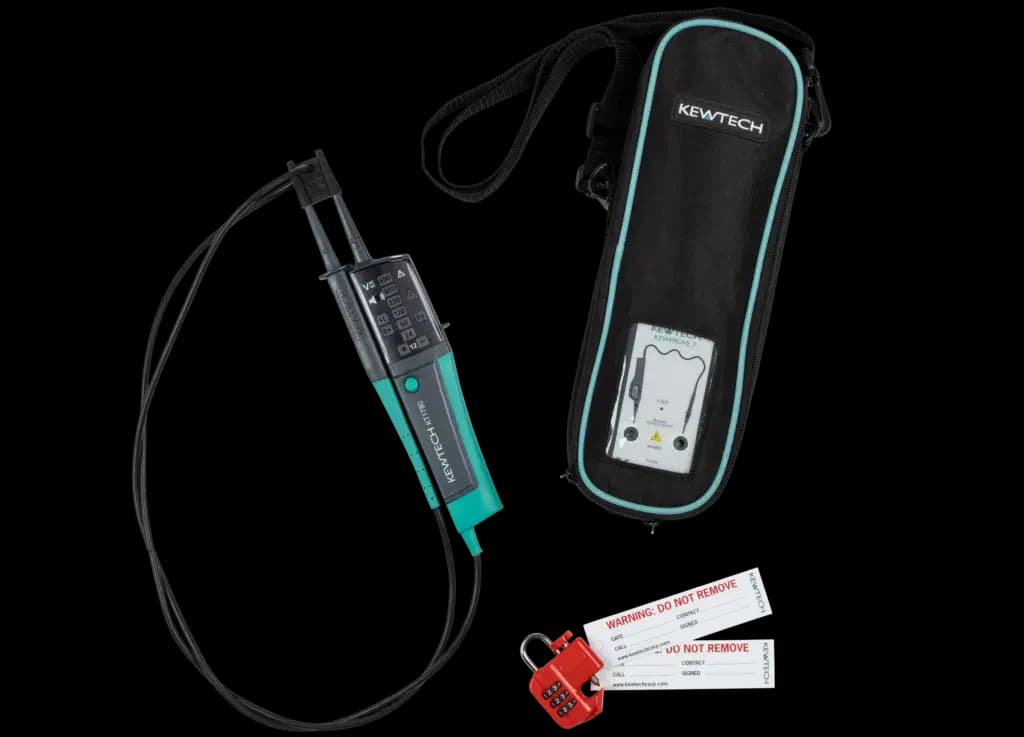
If you are planning minor allowed work, choosing reliable products is a simple way to improve safety. Alert Electrical stocks a wide range of switches, sockets, lighting fittings, junction boxes and wiring accessories from leading brands. Insulated hand tools, voltage testers, RCD adapters and quality cabling also help reduce risk. Using proper equipment makes the process smoother and gives you confidence that the components will last.
In summary
DIY electrical work is perfectly possible within the UK, but only when you stay within the limits set by the regulations. The safest approach is to understand what you can do and recognise when a task needs a qualified electrician. With the right products and a good understanding of safety basics, small home improvements become far more manageable. If you need quality fittings or guidance on choosing the right equipment, Alert Electrical has a comprehensive range to support every level of experience.
This guide is provided for general information only and should not be taken as professional advice. Electrical regulations can change and individual situations may vary, so users should always check current guidance or consult a qualified electrician before carrying out any work. Alert Electrical accepts no responsibility for any injury, damage or loss caused by the misuse or misinterpretation of the information in this article.