Choosing a new electric heating system can feel surprisingly complicated. Both the ATC Aeris and the ATC Almeria offer modern styling, advanced controls and impressive efficiency, which is why so many people end up comparing these two ranges directly. They sit in a similar space in the market and on the surface they appear to do a lot of the same things, although once you dig deeper the differences start to matter.
Key Features and Technology Compared
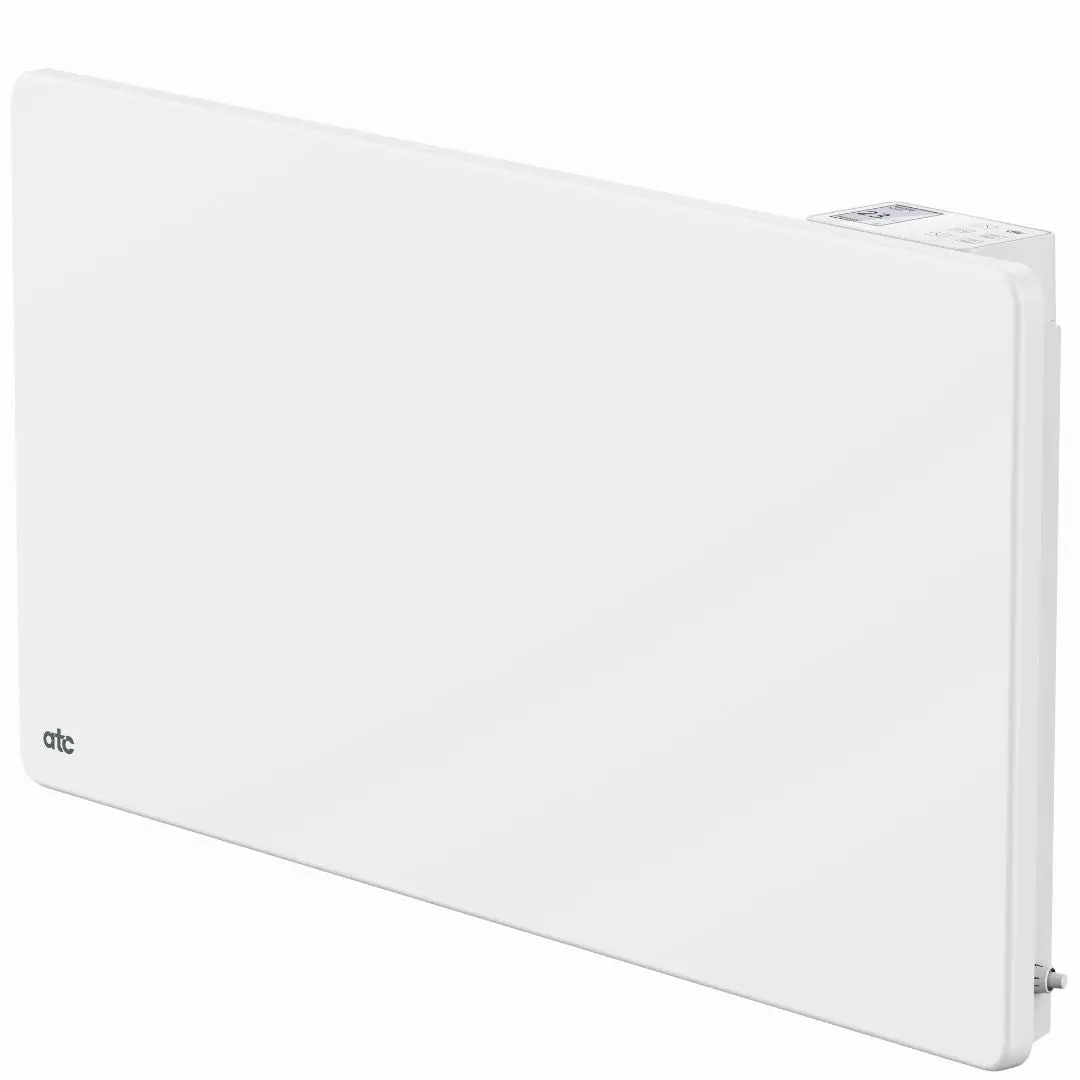
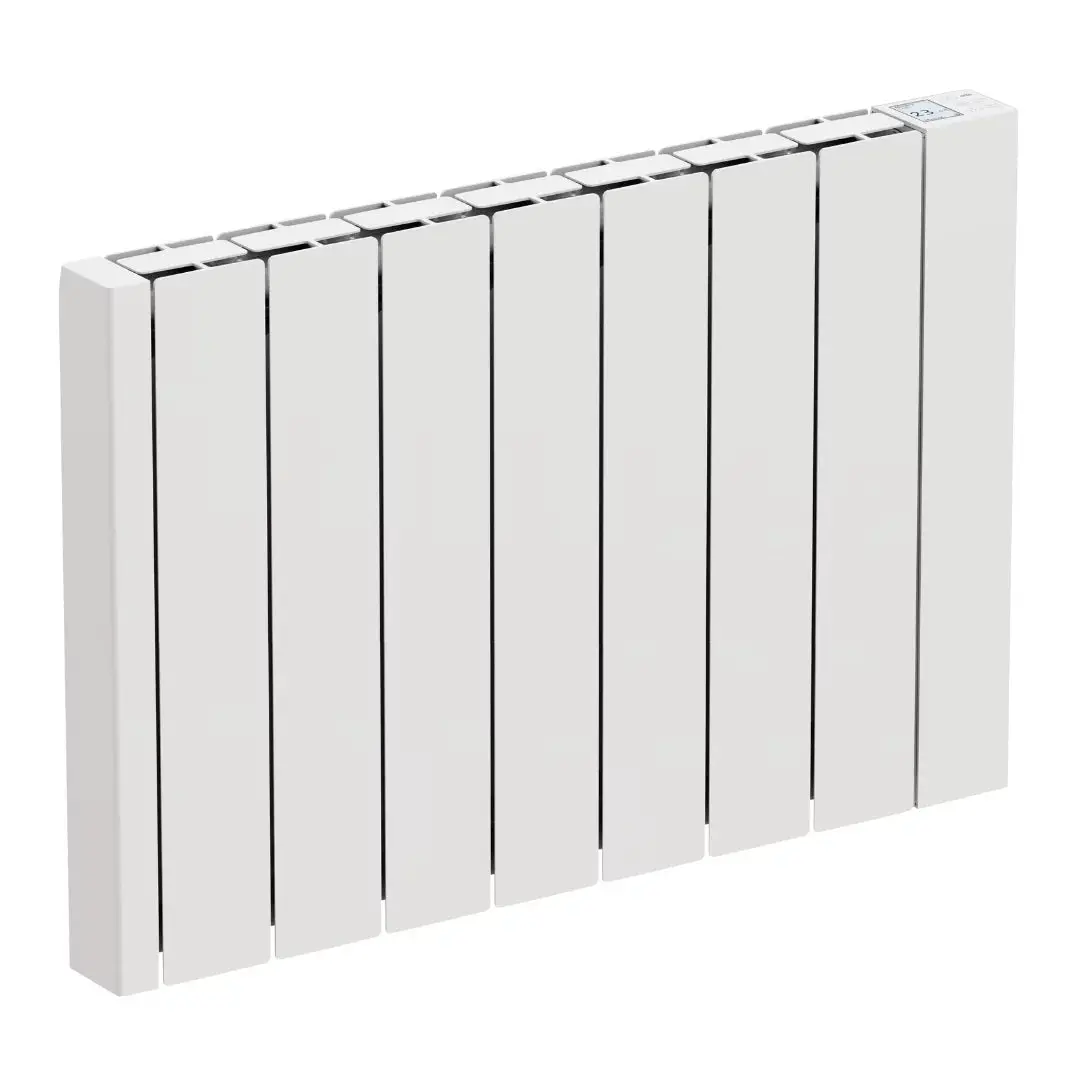
The Aeris range has been shaped heavily around air movement. It uses a ceramic heating core supported by a quiet but powerful fan system that distributes warm air quickly across a room. The result is a heater that responds fast, although the warm air disperses slightly differently compared to traditional convector models. The Almeria range takes a more familiar approach with its aluminium front panel and dry thermal technology, which tends to provide a steadier, softer spread of heat. Both support precise digital thermostats and reliable temperature control, although they go about it in different ways.
Another way the two diverge is in their tech features. The Aeris leans into smart functionality with built-in WiFi on many models, letting users manage their heating from anywhere using the ATC app. Some people like the responsiveness, especially in rental or commercial settings where heating routines change often. The Almeria range focuses more on intuitive manual or local digital control depending on the model. Both systems are energy conscious, although the Aeris tends to edge ahead when it comes to smart scheduling thanks to its app integration.
Heating Performance and Energy Efficiency
Heating performance is where the Aeris often feels punchier. The fan-assisted output means warm air is circulated around the room much faster than a traditional radiator can manage. This can feel like stepping into a pre-warmed space even when the heater has only been running for a short time. It does produce a slightly more directional heat pattern at first, although the ceramic core ensures lasting warmth once the temperature stabilises.
The Almeria range offers a calmer form of comfort. Its dry thermal design warms the air naturally, helping rooms maintain a stable temperature over longer periods. This has a familiar feel for many homeowners and may be preferred in bedrooms or spaces where gentle, consistent warmth is important. Efficiency is strong across both collections and both ranges use accurate thermostats that limit heat waste, although the Aeris often appears more efficient in practice simply because its rapid warm-up time helps reduce running hours for some users.
Control Options and User Experience
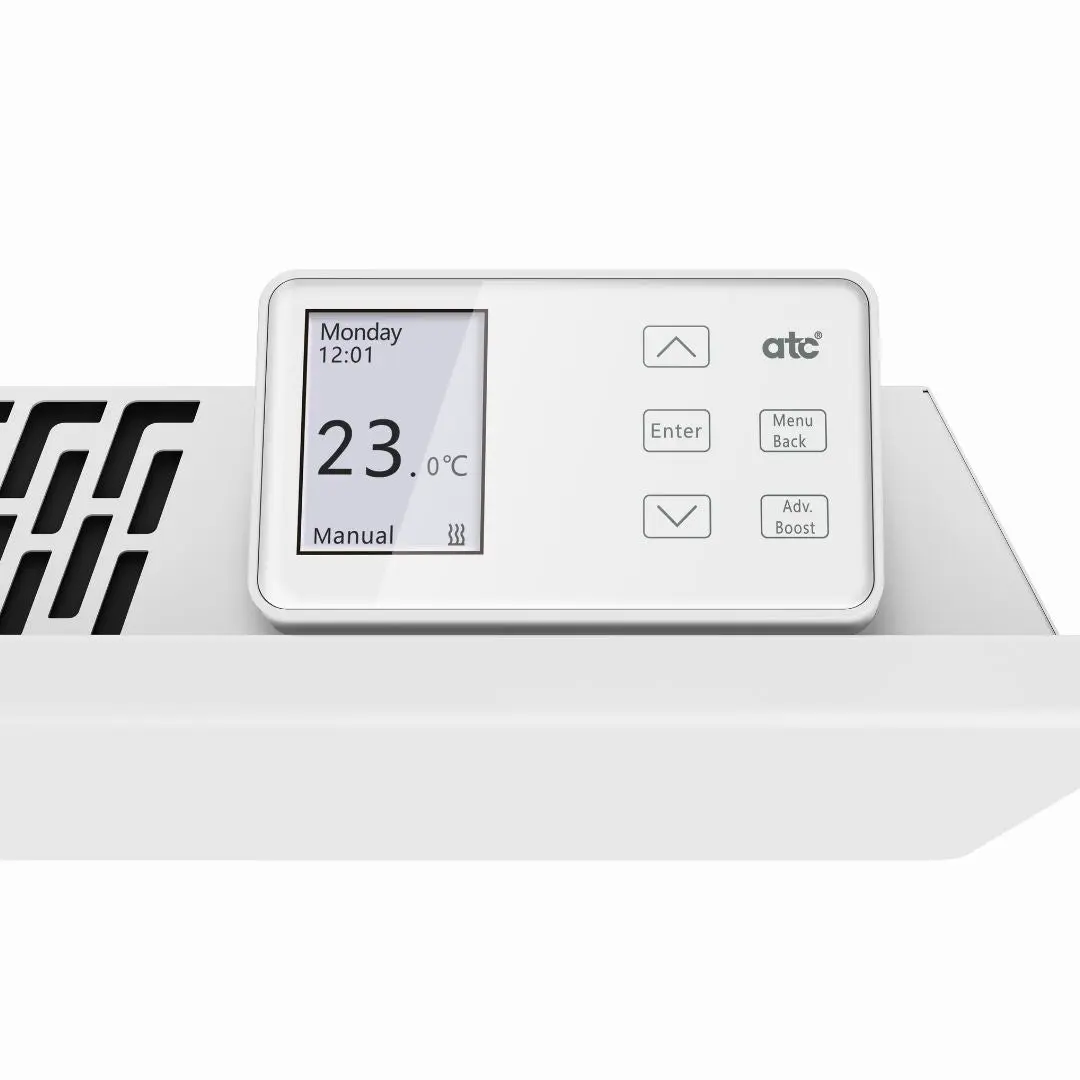
There is a clear difference in how these two ranges are controlled. Aeris models with WiFi allow full control via the ATC app, including timers, schedules, comfort settings and real-time temperature adjustments. They also allow group control of multiple heaters, which can be useful for landlords or facility managers trying to standardise comfort levels in different rooms. A few users prefer to keep things simpler though, and that’s where the Almeria range comes in. Many Almeria heaters offer easy local control without the extra layer of app-based configuration.
User experience tends to depend on personal preference. If someone likes adjusting their heating from their phone or wants the heater to fit into a smart home routine, the Aeris has a clear advantage. If they want the reassurance of straightforward hands-on control, the Almeria is the calmer option. Both ranges feel solid and well built with clear displays and uncomplicated settings.
Installation and Compatibility Considerations
Installation for both ranges is uncomplicated, especially for electricians familiar with ATC products. They are wall-mounted heaters that arrive with the brackets and fixings needed for standard setups. The Aeris does need a little more thought if you are planning WiFi control, as a stable internet connection is essential. In properties with thick walls or weak signals the app may feel less responsive until the network is improved. The Almeria range avoids this issue entirely and can be installed confidently in remote or older buildings without worrying about connectivity.
Power ratings across the two collections are suitable for most domestic and commercial rooms. Electricians may choose Aeris units for spaces that need rapid heat or where occupancy changes frequently, such as offices or rental flats. Almeria models fit well in long-use rooms where consistent comfort is the priority.
Best Use Cases for Each Range
A simple way to split the two is by thinking about usage patterns. The Aeris suits rooms that benefit from fast warmth such as lounges, kitchens, offices, student lets or spaces where people come and go throughout the day. The fan-assisted output helps overcome cold spots quickly and brings the room to temperature fast. The smart controls also help keep energy usage under control when routines change unexpectedly.
The Almeria range is more suited to steady heating. Bedrooms, home offices, living rooms and long-term rented spaces benefit from the gentle warmth and the quieter operation. It may not heat a cold room quite as quickly as the Aeris, but once it settles it provides a comfortable and predictable temperature that many people prefer for everyday living.
Pros and Cons of ATC Aeris
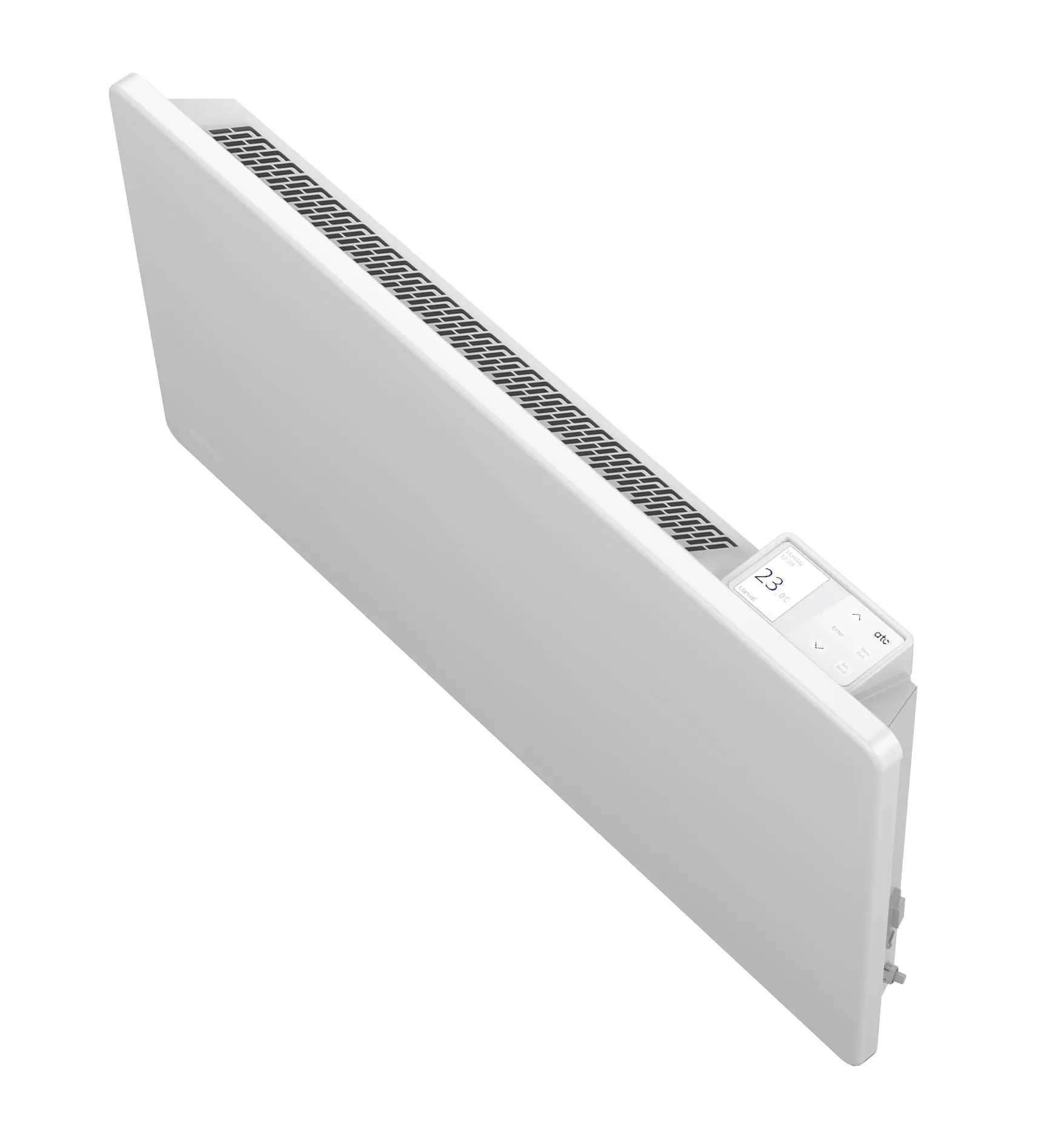
The Aeris offers fast heat distribution, modern styling and the convenience of app-based control. Users often appreciate the warm-up speed and how easy it is to manage the heater from anywhere. The fan does produce a little more background noise than the Almeria range and some users may feel the tech is slightly more complex than they need, although the performance benefits can outweigh these concerns.
ATC Aeris Range
Pros and Cons of ATC Almeria
The Almeria range delivers a softer and more consistent heating experience. It is straightforward to operate and does not rely on WiFi, making it more resilient in properties with poor connectivity. While it may not warm a room as fast as the Aeris and lacks integrated smart functionality on some models, many prefer its simplicity and the natural feel of its dry thermal heating.
Compariosn Table
| Feature | ATC Aries | ATC Almeria |
|---|---|---|
| Heating Technology | Ceramic core with fan assistance | Dry thermal aluminium panel |
| Warm Up Speed | Very fast | Gradual and steady |
| Controls | Digital thermostat plus app control on WiFi models | Manual or local digital control |
| Energy Efficiency | Excellent due to rapid warm up and smart scheduling | Strong with stable heat retention |
| Noise Level | Low but noticeable due to fan | Virtually silent |
| Best For | Busy spaces and changing routines | Bedrooms, living rooms and long-use areas |
Which Range Offers Better Value?
Value depends heavily on how the heater will be used. The Aeris feels like better value in settings that need quick heat or benefit from remote control. The Almeria feels better suited to households or properties where comfort, simplicity and quiet operation are the top priorities. Both ranges are competitively priced and offer long term reliability, so the decision usually comes down to heating style and control preference rather than cost alone.
Both the ATC Aeris and ATC Almeria are strong performers with slightly different strengths. The Aeris leans towards fast performance and smart control, making it ideal for dynamic spaces and tech-savvy users. The Almeria prioritises gentle warmth, quieter operation and straightforward usability. Either can be a great choice as long as it matches the needs of the space.