Solar lighting has become one of the simplest ways to brighten up a garden, driveway or outdoor space without relying on mains power. It feels almost effortless. You place a light where you want it, the sun does its job during the day and by evening you have illumination without lifting a finger. But the process behind these lights is more technical than it first appears and that is what makes them so reliable for so many UK homes. Understanding how solar garden and outdoor lights work helps you choose the right options for your space and also helps when something eventually needs troubleshooting.
Understanding the Basics
Solar garden lights rely on a straightforward idea. They capture sunlight, convert it into electricity and store that electricity until the evening when it is released to power an LED. The concept sounds simple enough although the technology inside each light does the heavy lifting. Outdoor solar lighting also depends on how much sunlight it receives which is why placement makes such an impact on daily performance. Even so, once you get the basics, the entire system becomes surprisingly predictable.
The Main Components Inside a Solar Light
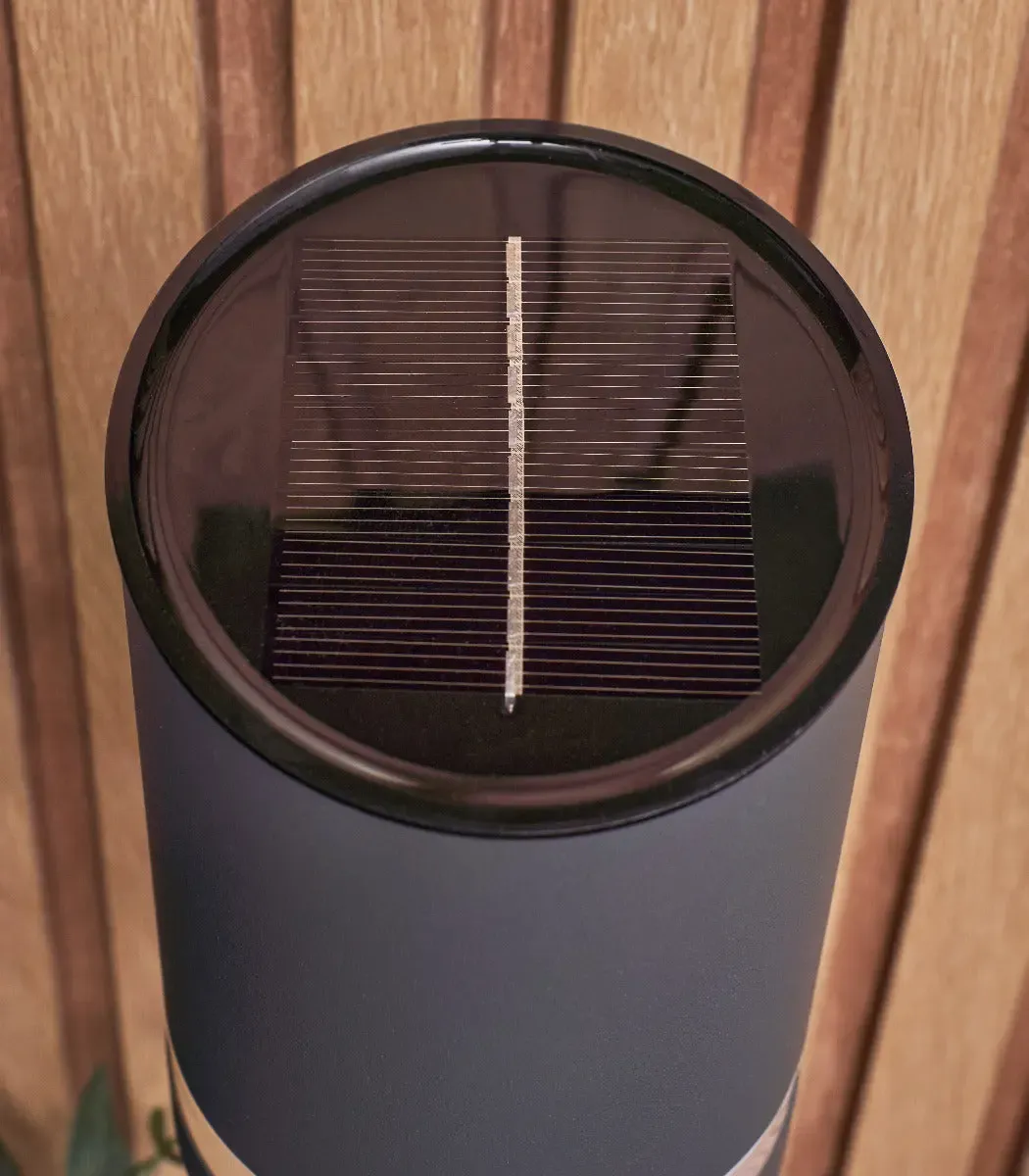
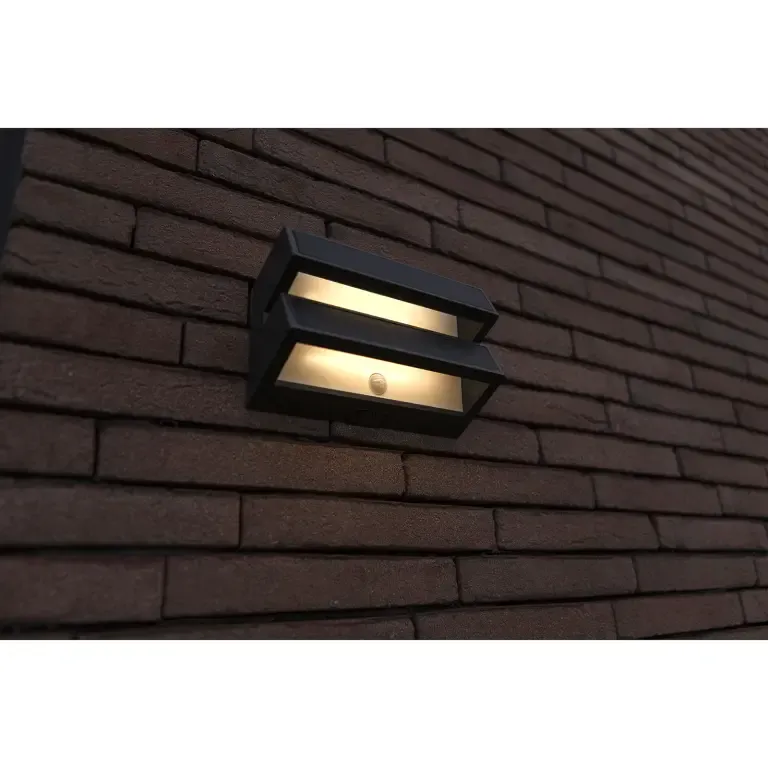
Every solar light uses a set of core components that work together even if the designs look very different from one another. The solar panel is the first and most important part. It contains photovoltaic cells which absorb sunlight and convert it into electrical energy. Beneath the panel sits a rechargeable battery which stores this energy for the evening. Almost all modern garden lights use lithium based batteries or in some cases NiMH, chosen for their stability and cycle life.
Then you have the LED. LEDs are used because they require very little power, stay cool to the touch and last for many years. A small charge controller ensures that the battery does not overcharge or over discharge which helps protect the internal components. Finally, a light sensor or photoresistor detects when daylight fades. This is the clever part because it automatically turns the light on without you doing anything. The moment the environment becomes dim, the LEDs activate and everything runs off the stored battery power.
How Solar Panels Collect Energy During the Day
Solar panels in garden lights are not as large or powerful as the solar panels used on roofs but they work in the same way. When sunlight hits the photovoltaic cells, it excites electrons within the material and creates a flow of electricity. The generated power begins filling the battery straight away and continues until the light is either shaded or the sun sets. The performance depends heavily on weather conditions. Clear skies in midsummer produce quick and reliable charging. Shaded gardens, north facing spots and heavy cloud cover slow the process down. This is why some lights last through the night while others fade sooner.
What Happens at Night: From Stored Energy to Illumination
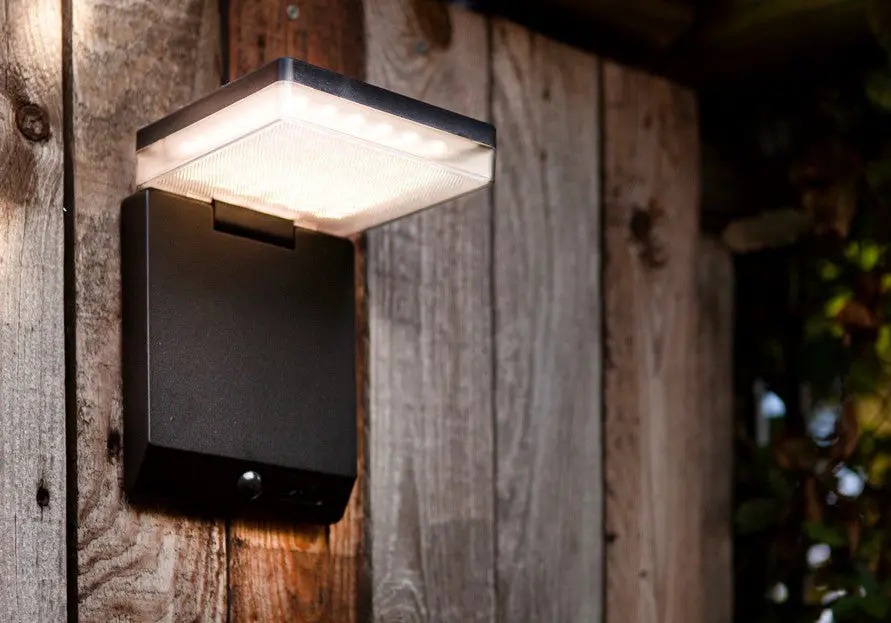
As daylight fades the photoresistor detects the reduction in ambient light. Once it reaches a low enough level, the internal circuit completes and the battery begins supplying power to the LEDs. The light then remains on until the battery is depleted or until daylight returns. LEDs do not draw much power which is why even small batteries can run them for hours at a time. Higher quality solar lights with larger panels and better batteries tend to provide more consistent night time illumination, especially during winter when UK daylight is limited.
Types of Solar Garden and Outdoor Lights
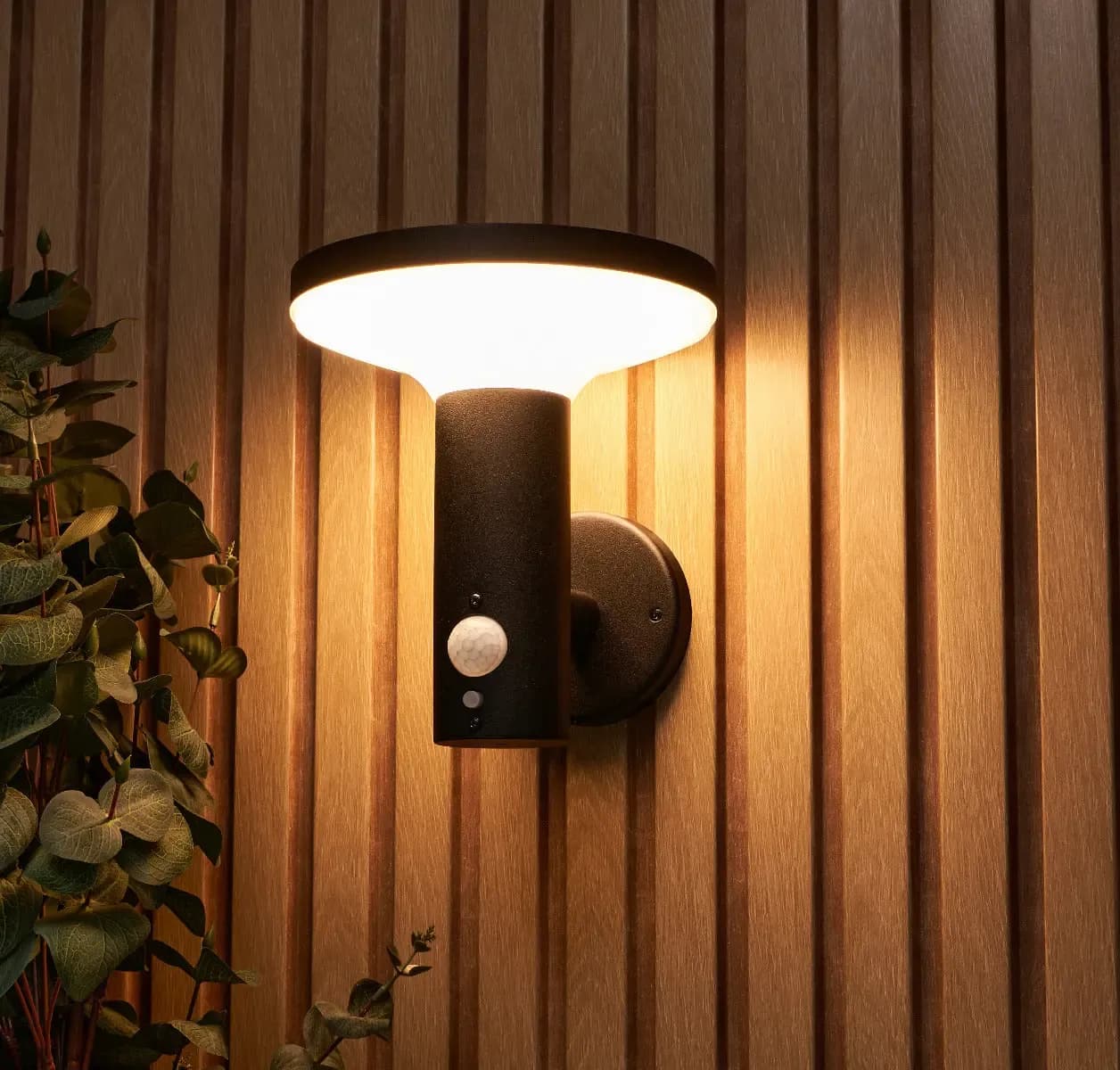
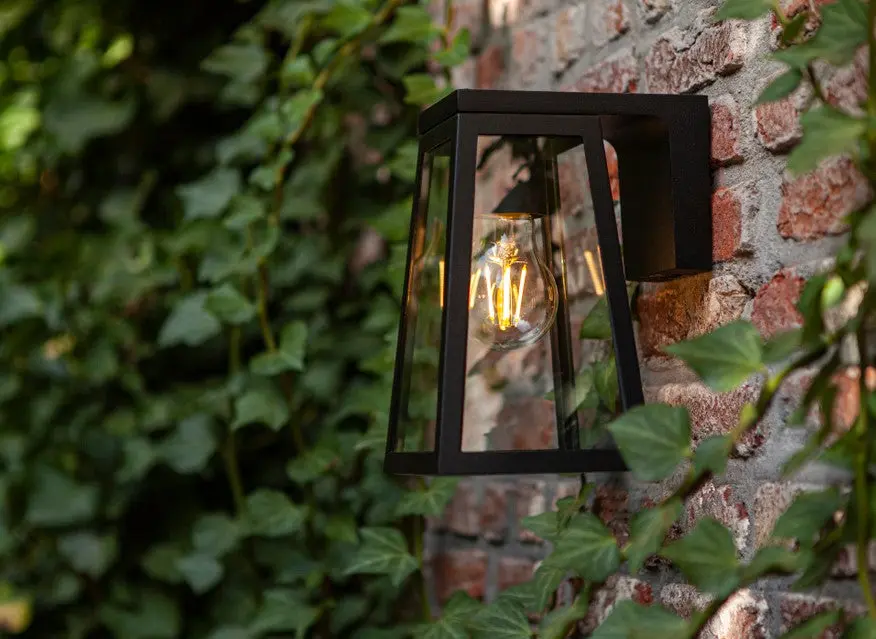
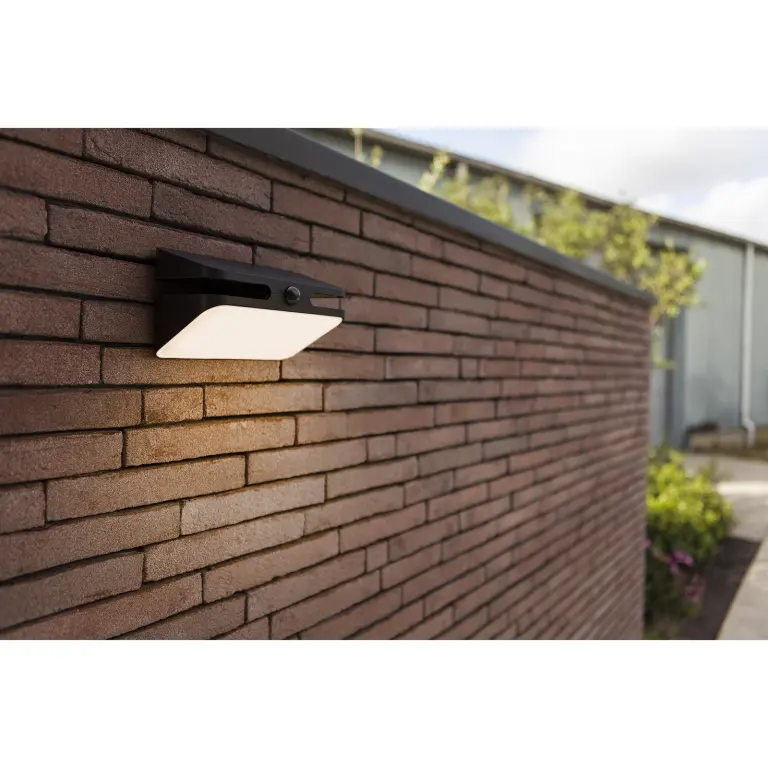
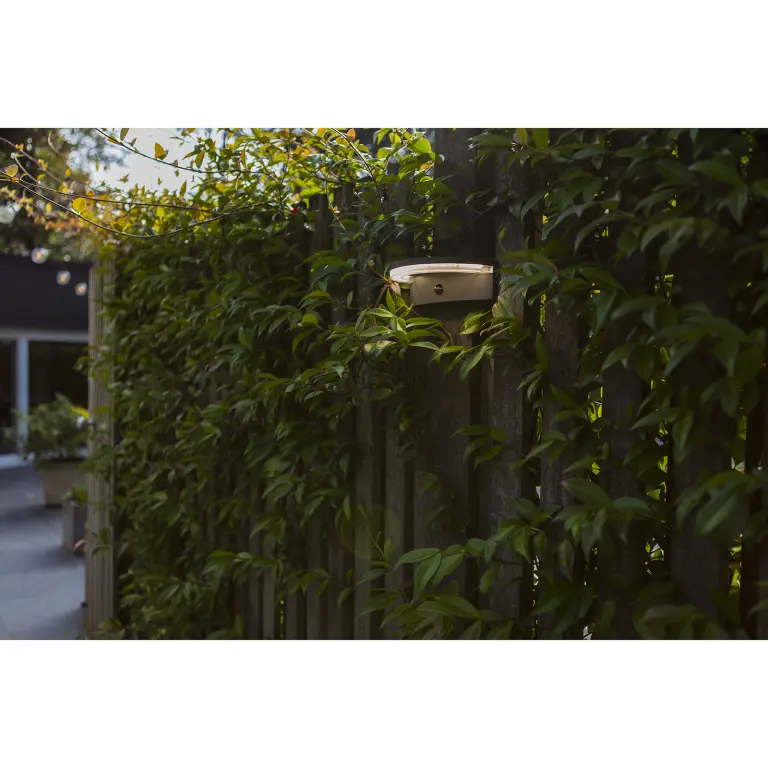
Solar lighting comes in many forms because different outdoor spaces need different levels of brightness. Garden pathway lights are the most common. These are usually staked into soil or gravel and provide small pools of light along walkways. Wall mounted solar lights are another popular option, often used near entrances or driveways where gentle, automatic lighting provides extra visibility. Solar floodlights offer stronger illumination and are often used for security or for lighting up larger areas. There are also decorative solar lights designed purely for ambience. These include string lights, lanterns and ornamental shapes that bring character to patios and lawns.
How Weather and Seasons Affect Performance
The UK climate can be challenging for solar lighting. Short winter days mean fewer hours of sunlight which reduces the amount of energy that can be stored. Rain and cloud cover also have an impact although solar lights still charge in cloudy weather, just more slowly. The position of the sun changes through the year which means a location that performs well in summer may struggle in winter. These natural variations are normal and part of why you may notice inconsistent brightness or shorter operating times during colder months.
Positioning the solar panel where it receives the maximum amount of direct sunlight often solves several performance problems. Angling the panel towards the sky and keeping it clean from dirt makes a noticeable difference. Many people forget to clean the panel and a thin layer of grime can reduce charging efficiency far more than expected.
Choosing the Right Solar Lights for Your Garden
Selecting the right solar light depends on where you plan to install it and how much brightness you actually need. Lumens determine brightness and it is worth checking this because two lights that look identical may perform very differently once it gets dark. Battery capacity is equally important because a larger battery can power the light for longer. The size of the solar panel also plays a part in how fast it can recharge. Build quality matters outdoors so choosing lights with a strong casing and a suitable IP rating ensures they can withstand rain, frost and wind.
Troubleshooting Common Issues
If your solar lights stop turning on, the first thing to check is the panel. Dirt or shading causes many problems. Sometimes the battery simply needs replacing which is easy on most models. Dim lighting often points to reduced charging during the day. This could be due to a shaded location or a failing battery. If the light switches off early each night, the unit may not be storing enough energy to carry it through until morning. Moving it to a better lit location usually solves that one.
FAQs About Solar Garden and Outdoor Lights
Why are my solar lights not turning on?
Most issues come from lack of charge. Clean the panel, move the light to a brighter spot and check whether the battery needs replacing.
How long do solar lights last?
LEDs can last for many years. Batteries usually need replacing every one to two years depending on quality and usage.
Do solar lights work in winter?
Yes although performance may drop due to reduced sunlight and shorter days.
How bright should solar lights be?
It depends on your needs. Decorative lights can be low lumen while security style lights often require higher lumen output.
Can solar lights be used in shaded gardens?
They can although charging will be slower. Choosing a light with a larger panel or moving the panel to a sunnier location helps.
Are solar garden lights waterproof?
Most outdoor solar lights have an IP rating suitable for rain although it is always worth checking the product specification.
How long do solar lights take to charge?
Usually between six and eight hours of good daylight although cloudy weather increases charging time.
Why do solar lights flicker?
This often happens when the battery is nearly depleted or if there is a poor connection inside the unit.
Do solar lights need direct sunlight?
Direct sunlight provides the best charge although lights will still charge in indirect or cloudy conditions, just more slowly.