As the evenings draw in and the first cold snap hits, one question lands in our inbox more than almost any other: "which type of electric heater do I actually need?" With panel heaters, convector heaters, fan heaters and storage heaters all sitting side by side on the shelf, it is easy to see why customers get stuck. Each one heats a room in a slightly different way, and picking the wrong type can mean a room that never quite warms up, or a bill that climbs faster than it should.
This guide breaks down the main types of electric heater available at Alert Electrical, explains how each one works, and helps you match the right heater to the right room ahead of the colder months.
Why Your Choice of Heater Matters More in Autumn
Central heating systems are designed to warm a whole property evenly, but very few homes are that simple in practice. Conservatories, garden offices, spare rooms and older extensions often lag behind the rest of the house, and this is exactly when electric heaters earn their keep. Choosing a heater that suits the room, rather than picking whatever is cheapest or most familiar, makes a real difference to comfort and running costs once the weather turns.
Panel Heaters: Fast, Slimline and Wall Mounted
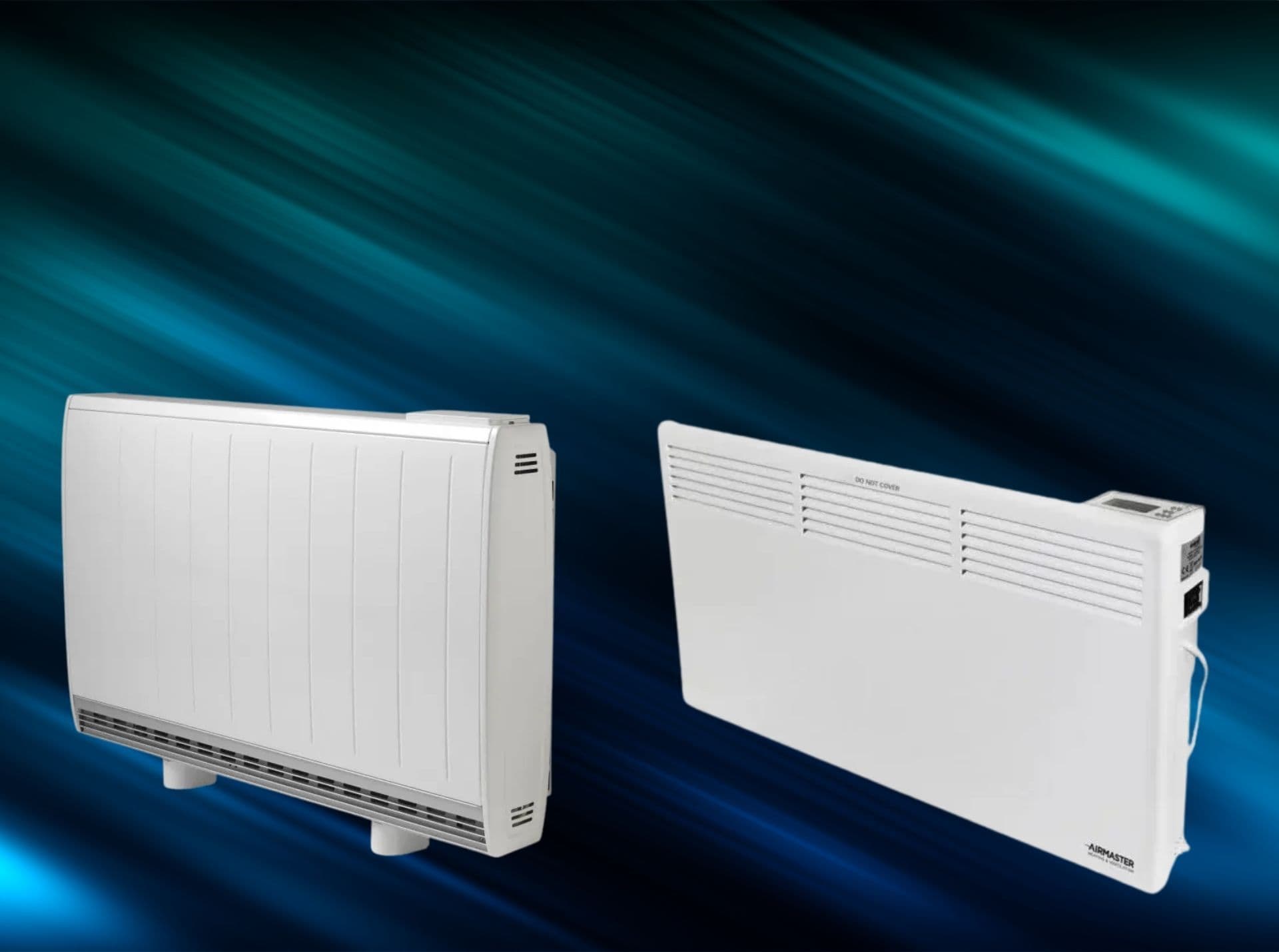
Panel heaters are flat, wall mounted units that heat a room quickly using a mix of convection and radiant heat. Because they are direct acting, they draw on standard rate electricity and respond almost instantly once switched on, making them ideal for rooms that only need heating for part of the day.
They suit bedrooms, home offices, hallways and conservatories particularly well, and most modern models include thermostats, timers and open window detection to help keep energy use under control. Our range of electric panel heaters spans from compact 500W units right up to 3kW models, so there is an option for almost any room size, and the 2kW panel heaters are a popular middle ground for medium sized living spaces.
Convector Heaters: Gentle, Even Warmth
Convector heaters work by drawing cool air in at the base, warming it as it passes over an internal element, and releasing it back into the room. This creates a steady, even flow of warm air without the noise of a fan, which is why convector heaters are often chosen for bedrooms and living rooms where a quiet, consistent temperature matters more than instant heat.
They tend to take a little longer to warm a room than a fan heater, but the trade off is a more comfortable, draught free heat that many people prefer for longer periods of use.
Fan Heaters: Quick Bursts of Heat
Fan heaters use an internal fan to blow air across a heated element, pushing warm air out immediately. They are the fastest way to take the chill off a small space, which makes them well suited to bathrooms, utility rooms or as a temporary boost while a room's main heating catches up.
Because they are portable and inexpensive to buy, fan heaters are a sensible short term solution, though they are generally better suited to occasional use than as a main heat source, since they can be less economical to run continuously than a panel or convector heater.
Storage Heaters: The Off Peak Option
Storage heaters work differently from every other type on this list. Rather than heating a room directly, they store thermal energy overnight, typically using cheaper off peak electricity tariffs such as Economy 7, and release that stored heat gradually throughout the following day. This makes them a cost effective choice for whole home heating, particularly in properties without mains gas.
Modern high heat retention storage heaters are far more responsive than older models, with smart controls that adjust output based on the weather and the time of day. If you are trying to decide between ranges, our comparison of the Dimplex Quantum and XLE storage heaters walks through the differences in more detail. Our full electric storage heater range includes options for bedrooms, living rooms and commercial spaces alike.
Which Heater Type Should You Choose?
- Panel Heaters – Best for bedrooms, offices and conservatories. They heat up fast and are ideal for on-demand or part-time use.
- Convector Heaters – Best for living rooms and bedrooms. They offer moderate heat-up speeds and provide steady, quiet heating over longer periods.
- Fan Heaters – Best for bathrooms and quick heat top-ups. They provide instant heat and are ideal for short bursts or occasional use.
- Storage Heaters – Best for whole-home heating. They charge overnight and gradually release heat throughout the day.
As a general rule, choose a panel or convector heater for a room you use regularly through the day, a fan heater for occasional quick warmth in a small space, and storage heaters if you want to heat the whole property using lower cost overnight electricity.
Frequently Asked Questions
What size heater do I need for my room?
As a rough guide, allow around 100 watts of heating power per square metre of floor space for a well insulated room, and more for rooms with high ceilings, large windows or poor insulation. Brands such as Dimplex list recommended room sizes for each model, which is a useful starting point.
Are panel heaters expensive to run?
Panel heaters use standard rate electricity, so running costs depend on your tariff and how long the heater is on for. Using a thermostat and timer, rather than leaving the heater on all day, keeps costs down considerably.
Can I use an electric heater as my main source of heating?
Yes. Many homes without mains gas rely entirely on a combination of storage heaters for background warmth and panel or convector heaters for extra comfort in specific rooms.
Do electric heaters need to be installed by a professional?
Portable panel and fan heaters can usually be plugged straight in, but any hardwired panel, convector or storage heater should be installed by a qualified electrician to ensure it is fitted safely and correctly.
Ready to Warm Up for Autumn?
Whether you need a single panel heater for a chilly spare room or a full storage heater setup for the whole house, Alert Electrical stocks trusted brands at competitive prices, with expert advice on hand if you are still unsure which option suits your home.