In an age where home security has become both more affordable and more accessible, it’s not unusual to see cameras mounted on walls, fences or front porches across the UK. But what happens when your neighbour’s CCTV appears to be pointed directly at your house? Is it legal? Is it intrusive? And more importantly, what can you do about it?
This is one of those modern dilemmas where the law, personal privacy and common sense occasionally clash.
Is It Legal for Neighbours to Have CCTV in the UK?
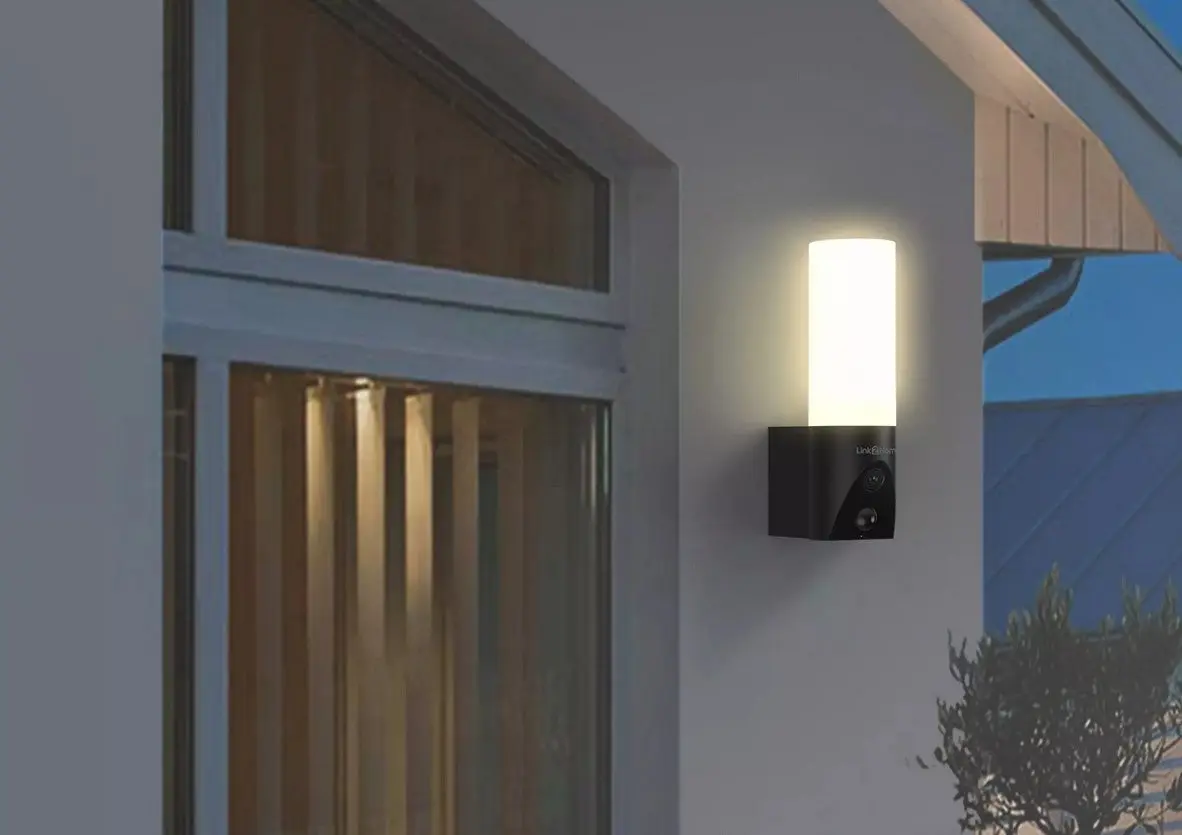
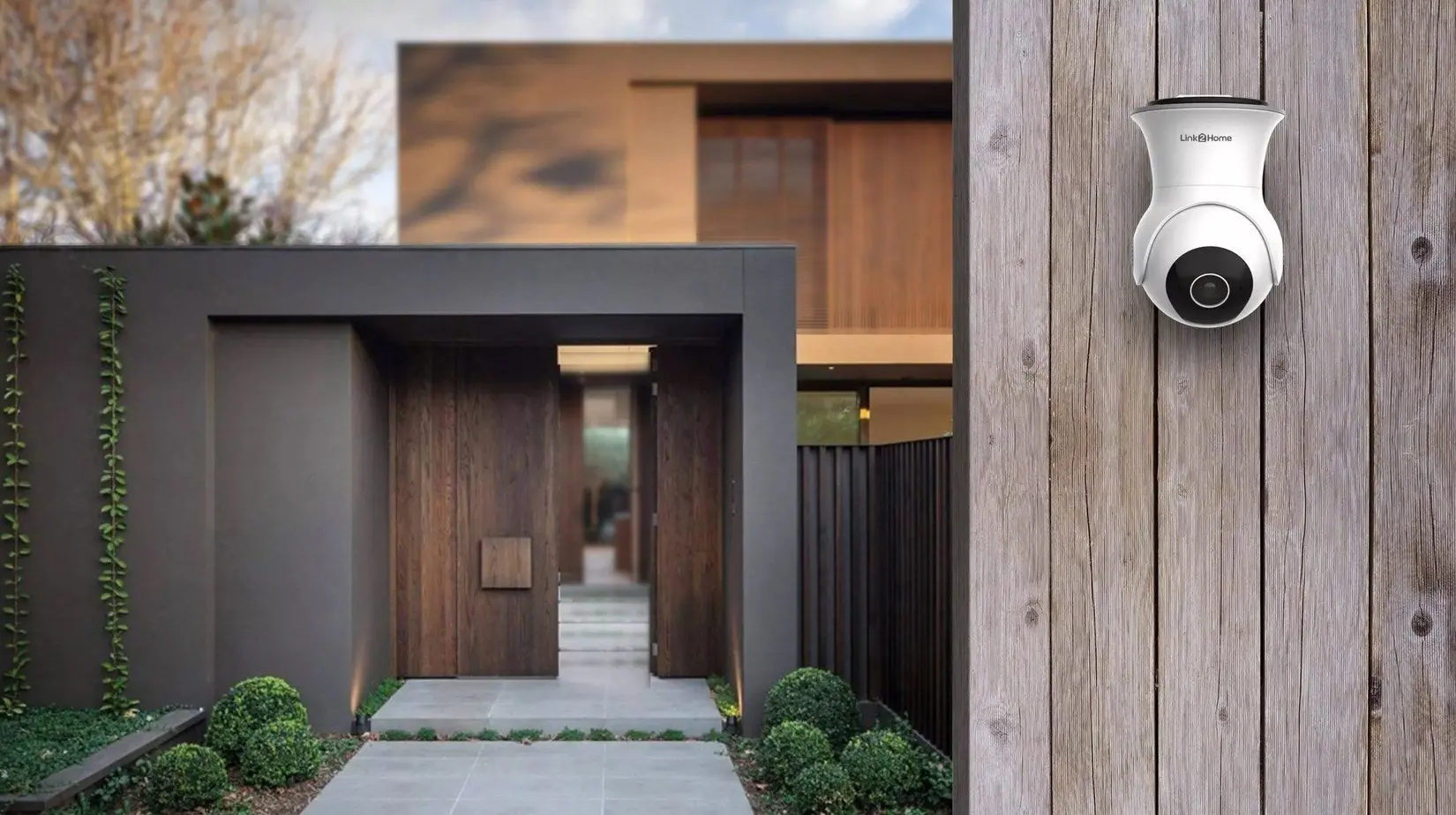
The short answer is yes, it is entirely legal for homeowners in the UK to install CCTV on their own property for security purposes. Whether it’s a traditional camera system, a doorbell cam or even a smart floodlight with video recording, there’s nothing unlawful about having CCTV at home.
But there’s a caveat. If the camera only records footage within the bounds of the person’s property, for example, their driveway, garden or front door then it’s considered private use. However, if the camera also captures areas beyond their own property, such as your garden, front window, or even a public footpath, then data protection laws come into play.
Under the UK General Data Protection Regulation (UK GDPR) and the Data Protection Act 2018, anyone recording images outside their own property line must comply with the legal responsibilities that apply to handling personal data.
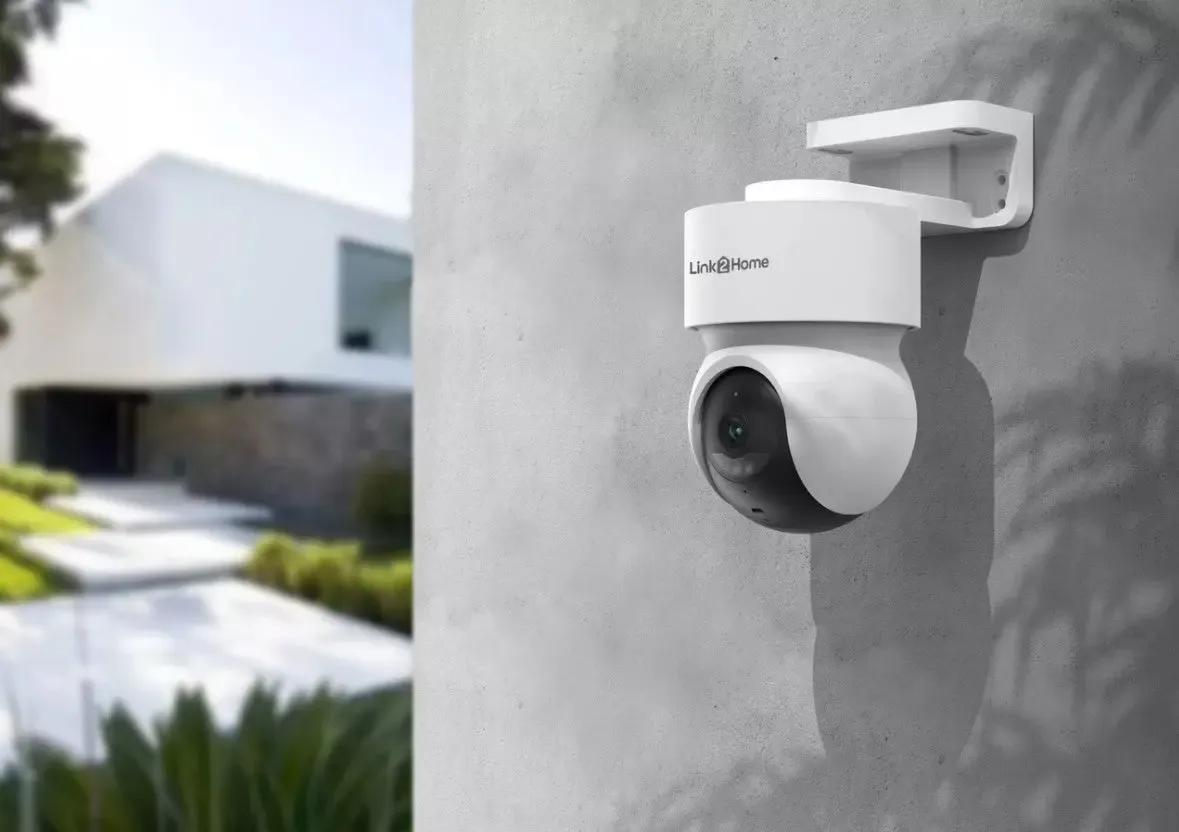
What If the Camera Is Pointing at My Garden, Driveway or Windows?
This is where things can feel a bit murky. It’s not automatically illegal for a neighbour’s CCTV to capture part of your property, but it does introduce obligations on their part.
If their system records areas beyond their private boundary, say, your garden, your driveway or rooms visible through your windows, they must have a valid reason for doing so. This typically means proving it’s necessary for their legitimate interest (like deterring crime) and that there are no less intrusive ways to achieve the same goal.
And there’s also an expectation of privacy to consider. If a camera points directly at your bedroom window or a private patio area, that could be deemed excessive, even intrusive. The law aims to strike a balance: people can protect their homes, but they shouldn’t unnecessarily infringe on others’ privacy to do so.
Do They Have to Inform Me or Put Up Signs?
This is a common question, and the answer depends on where the camera is pointed.
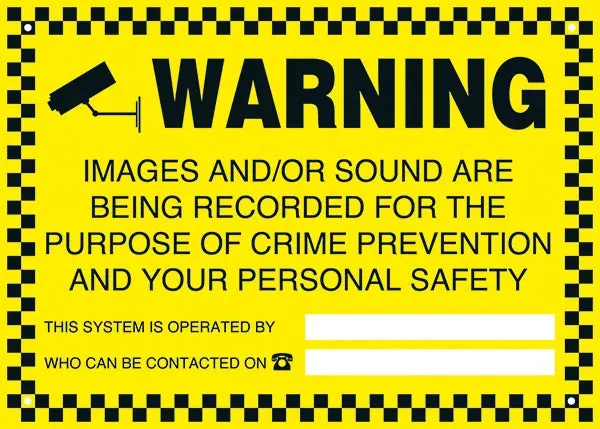
If the system is only recording within their own property, they don’t legally have to put up signs or tell anyone. However, if their CCTV captures any part of public space or your private property, they are required by law to be transparent.
That means your neighbour should inform people that CCTV is in operation, usually with a clearly visible sign, and they should be able to explain why they’re capturing that footage. It’s not just about being polite, it’s a legal requirement under data protection law.

What Rights Do I Have If I Feel It’s Invasive?
If you feel that your neighbour’s CCTV setup is too intrusive, you do have rights.
First, you can ask your neighbour to clarify what the camera records, how the footage is used, and whether it captures areas of your home. You’re also legally entitled to request access to any footage that includes images of you. This is called a Subject Access Request.
If your neighbour refuses or is uncooperative, you can escalate the matter to the Information Commissioner’s Office (ICO), which oversees compliance with data protection laws.
It’s also worth noting that while a neighbour might say the camera isn’t recording your property, the proof is in the footage. If you can clearly see the lens is directed toward your house, or if the camera physically pans in your direction, they’ll need to demonstrate why that’s justified.
Can I Make a Formal Complaint About My Neighbour’s CCTV?
Absolutely, but it’s usually best to start with a conversation first. This helps to keep a good relationship with your local community and should really be the first point of call.
We’d recommend raising your concerns informally in a conversation with your neighbour. In many cases, they don’t realise how much of your property is actually being captured by their cameras. They might be happy to adjust the angle or add privacy masking zones (which most modern systems support).
If that doesn’t help, or if the response is dismissive, you are able to lodge a formal complaint through the ICO. You’ll need to explain how the system infringes on your privacy and ideally include evidence, such as photos showing the angle of the camera or any footage you’ve requested.
Local councils typically don’t handle private CCTV disputes unless there are related nuisance or antisocial behaviour complaints, but mediation services can also be an option if tensions are running high.
What About Doorbell Cameras and Smart CCTV Systems?
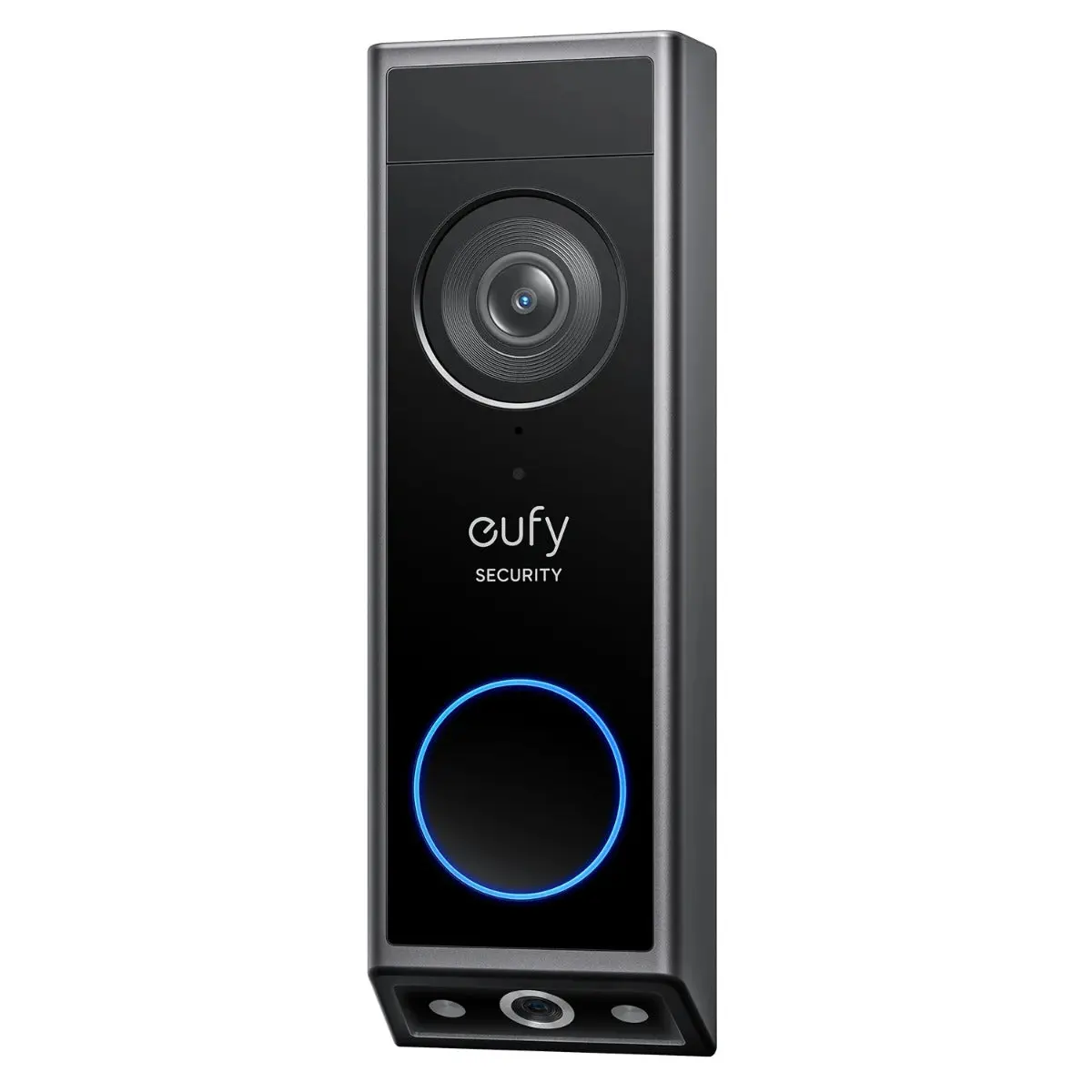
Devices like Eufy video doorbells or the Link2Home wifi doorbell are a common source of confusion. These systems often include wide-angle lenses that capture much more than just your front doorstep.
Because these smart doorbells can pick up images and audio from outside of the property boundary, including your conversations, the same rules apply. The owner needs to be transparent and must have a valid reason for recording that area.
The courts have already seen cases involving these kinds of dispues, and some rulings found that excessive audio recording from a smart doorbell infringed on a neighbour’s privacy. So, in short, just because it’s a small device doesn’t mean the rules don’t apply.
How to Resolve CCTV Disputes With Neighbours Peacefully
It’s tempting to jump straight to legal threats or complaints, but these situations often resolve better when approached with a bit of diplomacy.
Start by having a friendly conversation. Explain how the camera makes you feel and ask questions rather than making accusations. It’s entirely possible the camera’s field of view can be adjusted or masked off without affecting your neighbour’s security which would be the ideal fix for all sides.
If that doesn’t work you can always suggest mediation. It’s a neutral way to find a compromise, especially in situations where both parties feel that they’re right.
Ultimately, living next to someone means finding common ground even when technology like CCTV complicates things.
Know your rights and the limits
CCTV is a powerful tool for home security, and in the UK, it’s perfectly legal to install it on your property. But once a camera starts recording beyond the boundary, including your home, garden, or shared public spaces, the legal landscape shifts a bit.
Your neighbour needs to follow data protection rules, and you have every right to challenge or request information if you feel your privacy is being compromised.
The best outcome is often the simplest one: a respectful conversation and a willingness to understand each other’s concerns. But if that fails, the law is on your side.