Choose the Right Kilowatt Electric Shower
Not all electric showers are created equal, and when it comes to performance, the kilowatt rating is one of the most important things to get right. You might assume that all electric showers do the same thing: heat water and deliver it at a usable pressure. But the power output can make a real difference to your experience, your energy bills, and even the installation requirements.
If you’ve ever stepped under a disappointing trickle of lukewarm water, or noticed your electricity usage spike every time someone showers, then choosing the right kilowatt rating starts to make a lot more sense.
Why kilowatt rating matters
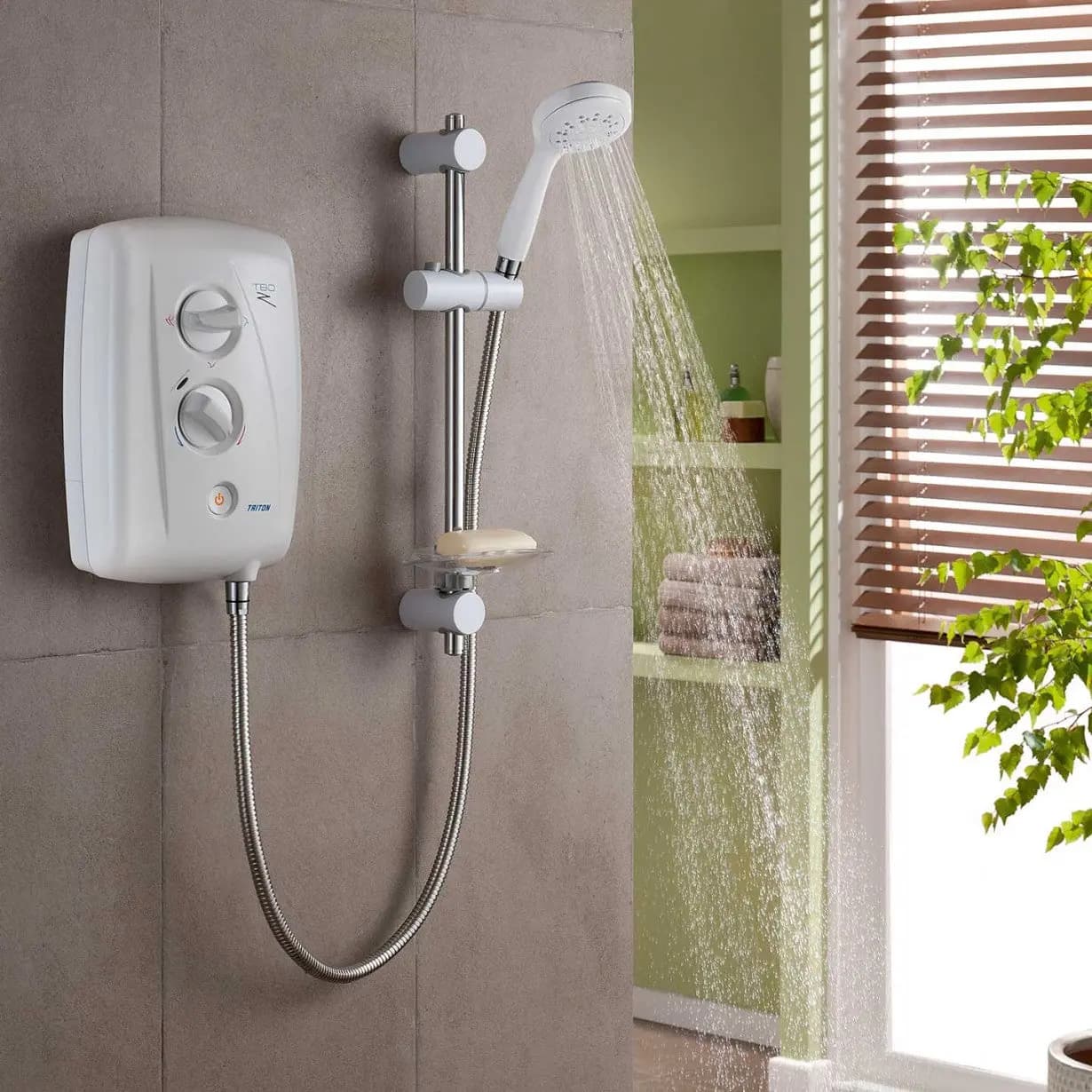
Kilowatts, or kW, measure how powerful the heating element inside the shower is. The higher the kilowatt rating, the quicker the shower can heat cold water, which usually translates to a stronger flow and a more consistent temperature.
But that doesn’t mean the highest number is always the best choice. A 10.5kW shower can deliver hotter water faster than a 7.5kW unit, but it also draws more electricity and may need thicker cabling and a larger circuit breaker. On the other hand, a lower rated unit will use less power, though it might struggle in the winter months when incoming water is colder.
In simple terms, the kilowatt rating affects both water temperature and flow rate. But it also affects how easy the shower is to install and how much it costs to run.
Matching kilowatt power to your needs
The right electric shower for a small flat with one occupant isn’t the same as what you’d need in a busy family home. If water pressure is already low or the shower is only used occasionally, a 7.5kW or 8.5kW model can be more than sufficient.
For larger households or shared properties, where multiple people use the shower daily, stepping up to a 9.5kW or even 10.5kW unit will usually deliver a better experience. Higher kilowatt models heat water more effectively, which means you won’t be waiting around for the right temperature.
You should also consider how long you tend to spend in the shower. A more powerful unit gets hot quickly, which is ideal if you’re after a fast blast before work. If your showers are typically longer and more leisurely, then water flow and temperature consistency become even more important.
Common shower kilowatts
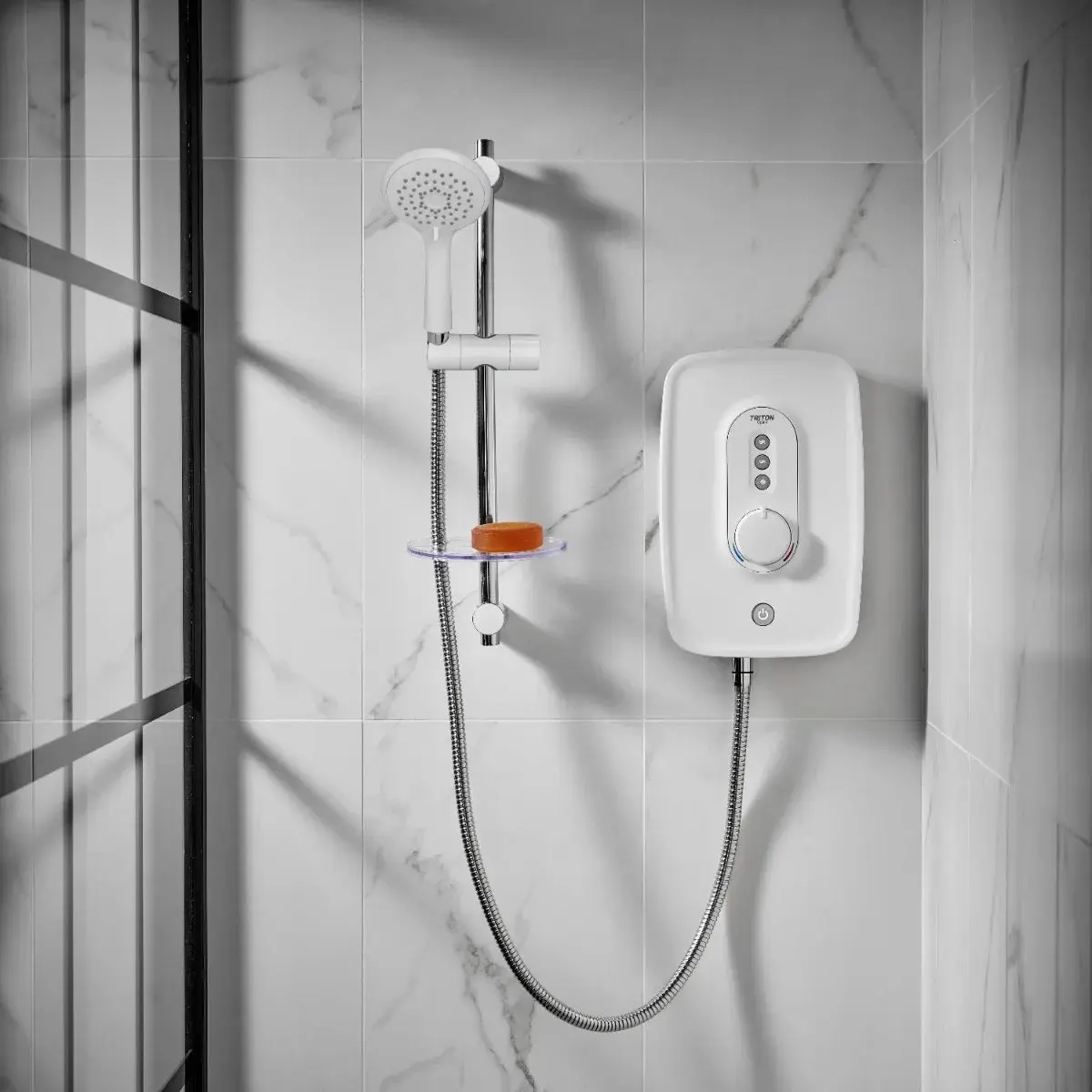
Electric showers usually range from 7.5kW up to 10.5kW, and while it might not sound like much of a gap, each step up delivers noticeably better performance.
7.5kW to 8.5kW: These lower power units are ideal for occasional use or homes trying to reduce energy consumption. They’re also easier to install because they don’t require such heavy electrical wiring.
9.0kW to 9.5kW: Often seen as a good middle ground. These showers offer solid performance without putting too much strain on your power supply. They’re the most popular choice for standard UK homes.
10.0kW to 10.5kW: Designed for those who want a strong, hot, and consistent shower even in winter. Just keep in mind that these higher-powered units will require suitable wiring and fuse protection, which may add to installation costs.
Electrical requirements and Installation
Something many people overlook is whether their existing electrical system can support the shower they want. Higher kilowatt units draw more current. That means you’ll need a suitably rated circuit breaker and often a 10mm electrical cable, especially for 9.5kW and above.
If you’re replacing an older, less powerful unit, don’t assume the wiring is compatible. It’s important to get a qualified electrician to check whether your setup is up to the job. Trying to run a high-powered shower on inadequate wiring is not only risky, it’s against regulations.
In the UK, new or replacement electric showers fall under Part P of the Building Regulations. That means the work needs to be done or at least signed off by someone who is Part P registered. This is not something you can cut corners on.
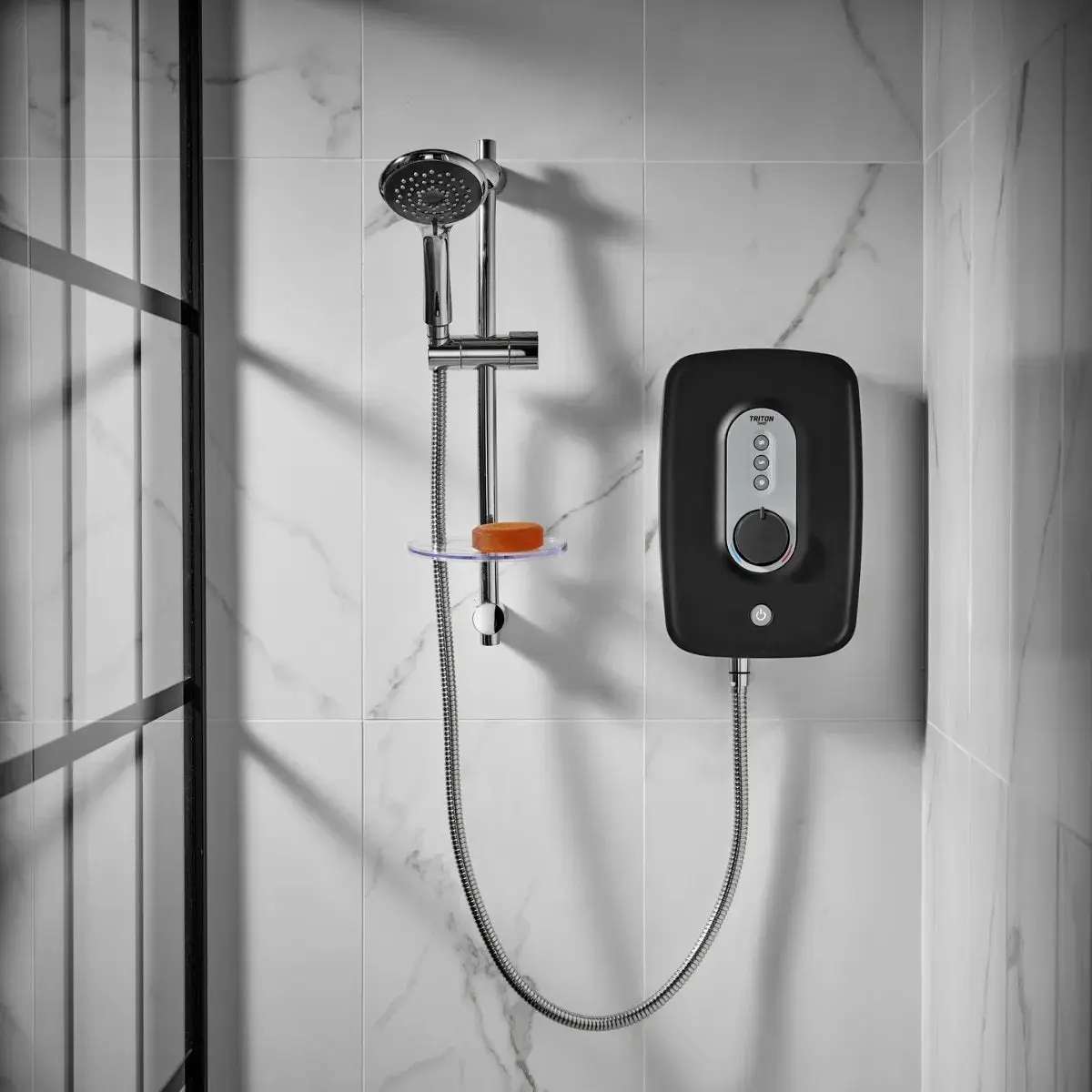
Comparing energy efficiency across different kW showers
It’s a common assumption that higher kilowatt ratings always cost more to run. Technically, that’s true a 10.5kW unit uses more electricity per minute than a 7.5kW model. But the story doesn’t end there.
Because a higher-powered unit heats water faster, you might find yourself spending less time in the shower. That can sometimes even out the energy use, or in some cases reduce it, especially if you’re not the kind of person who lingers.
If your main concern is keeping running costs low, then a lower kilowatt shower is the obvious choice. But be realistic. A weak flow or lukewarm temperature might lead to longer showers, which defeats the purpose.
Other key things to look for in electric showers
While the kilowatt rating is important, it’s not the only factor to consider. Thermostatic controls are a great feature, especially in homes where water pressure can fluctuate. They help keep the water temperature steady, even if someone runs a tap elsewhere in the house.
Some electric showers also include eco modes that help reduce water usage. Digital temperature displays can make it easier to find your ideal setting and make the experience more comfortable.
Also think about style and size. Some of the more powerful models are bulkier, which might be an issue in smaller enclosures. Look at where the water and cable entry points are too, as this affects how easily the shower will fit in your bathroom.
Choosing the best kW shower
Choosing the right electric shower isn’t just about going for the highest number on the box. It’s about finding the right balance between performance, efficiency, and practicality.
If you’re replacing an older unit and want to keep installation simple, matching the current kilowatt rating is often the safest move. But if your electrics can handle it and you want a better showering experience, going up a step or two can be well worth it.
Think about how often the shower is used, how many people rely on it, and what your priorities are whether that’s speed, strength, savings, or simplicity. With the right kilowatt rating, your morning routine will feel less like a chore and more like a comfort.