In a world where home protection has become more important than ever, wireless home security systems are fast becoming the preferred solution for UK homeowners. Whether you’re securing a semi-detached in the suburbs or a detached cottage in the countryside, wireless technology offers flexible, easy-to-install protection without the need for complex wiring. From wireless burglar alarms to smart CCTV systems, today’s solutions are smarter, more accessible, and more reliable than ever before.
But how do you know which system is right for your home? And what are the differences between brands like Texecom, ERA, and Scantronic?
What Is Wireless Home Security?
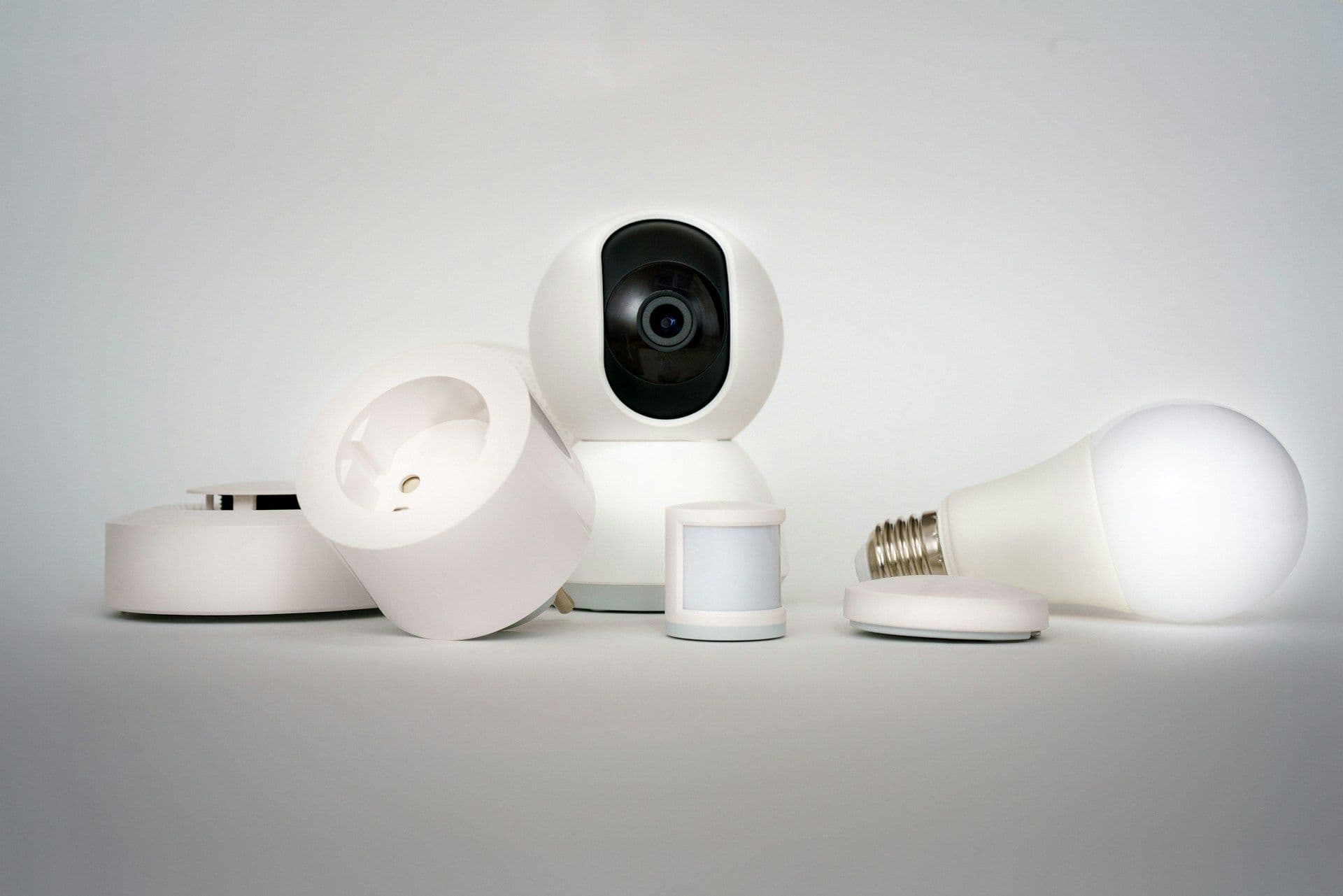
Wireless home security refers to alarm and surveillance systems that use radio frequency (RF), Wi-Fi, or other wireless protocols to communicate between components. Unlike traditional wired systems that need cabling throughout the house, wireless systems can work without drilling or rewiring, making them ideal for a retrofit or homes with difficult access routes.
Wireless doesn’t mean “less secure.” A lot of systems come with anti-jamming, encrypted signals, and dual-path communication to make sure that they’re reliable, even if one signal fails.
At its core, a typical wireless security setup includes:
- A central control panel or hub
- Wireless sensors for doors, windows, and motion detection
- Indoor or outdoor wireless CCTV cameras
- Sirens, sounders or bell boxes
- Remote control fobs or app-based access
Why More Homeowners Are Going Wireless
The appeal of wireless systems is fairly straightforward. They’re quicker to install, often more discreet, and can be relocated or expanded as needed. If you’re renting or thinking of moving in a few years, a wireless system offers flexibility that wired systems struggle to match.
Many wireless systems can now also integrate with your smart home devices. Imagine your alarm disarming as you enter the house with your smartphone in your pocket, or a camera feed opening automatically on your tablet when motion is detected at the front door.
Wireless Burglar Alarm Systems: An Overview
Texecom: Professional-Grade Performance
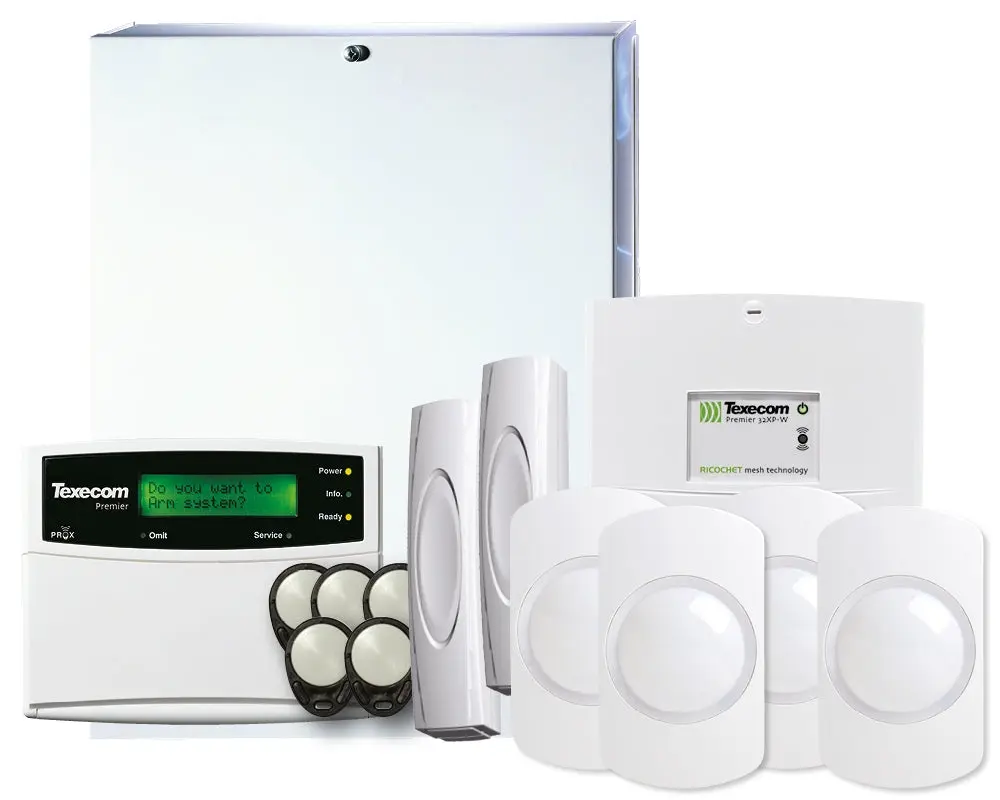
Texecom is a go-to name in the security industry, known for developing high-quality, future-proof alarm systems. Their Ricochet wireless mesh technology allows devices to communicate with one another dynamically, extending range and improving resilience. Products like the Texecom Premier Elite range offer the kind of advanced protection usually found in commercial systems, now designed with the homeowner in mind.
Texecom’s range is also a favourite among professional installers because of its versatility. You can start with a basic kit and expand it with smart keypads, external detectors, or even integrate it into home automation setups.
ERA: Smart and User-Friendly
ERA’s wireless alarm systems are built with the homeowner in mind. Easy to set up, with a clean app interface and reliable day-to-day operation, ERA’s products bridge the gap between traditional alarm systems and full smart home integration.
Their ERA Protect range is particularly popular. It offers cloud-based control, optional professional monitoring, and HD cameras that link directly to the same app as your alarm system. It’s also expandable, so you can add indoor sirens, water leak sensors, or even integrate smart locks.
If you’re looking for a reliable plug-and-play solution with intuitive controls and optional paid monitoring, ERA is hard to beat.
Scantronic: Tried and Trusted
Scantronic, part of the Eaton group, is a name with decades of heritage in home and commercial security. Their i-on range of wireless alarm systems delivers the kind of robust, no-nonsense reliability that makes them a staple among professionals. You’ll often find Scantronic kits in homes where reliability is more important than flashy features, but that’s not to say they’re outdated.
The newer i-on10 and i-on30R systems are fully app-enabled and suitable for small to medium homes, with options for remote configuration and system diagnostics. For homeowners who want that “fit it and forget it” experience, Scantronic delivers quietly and confidently.
CCTV and Wireless Cameras for Home Use
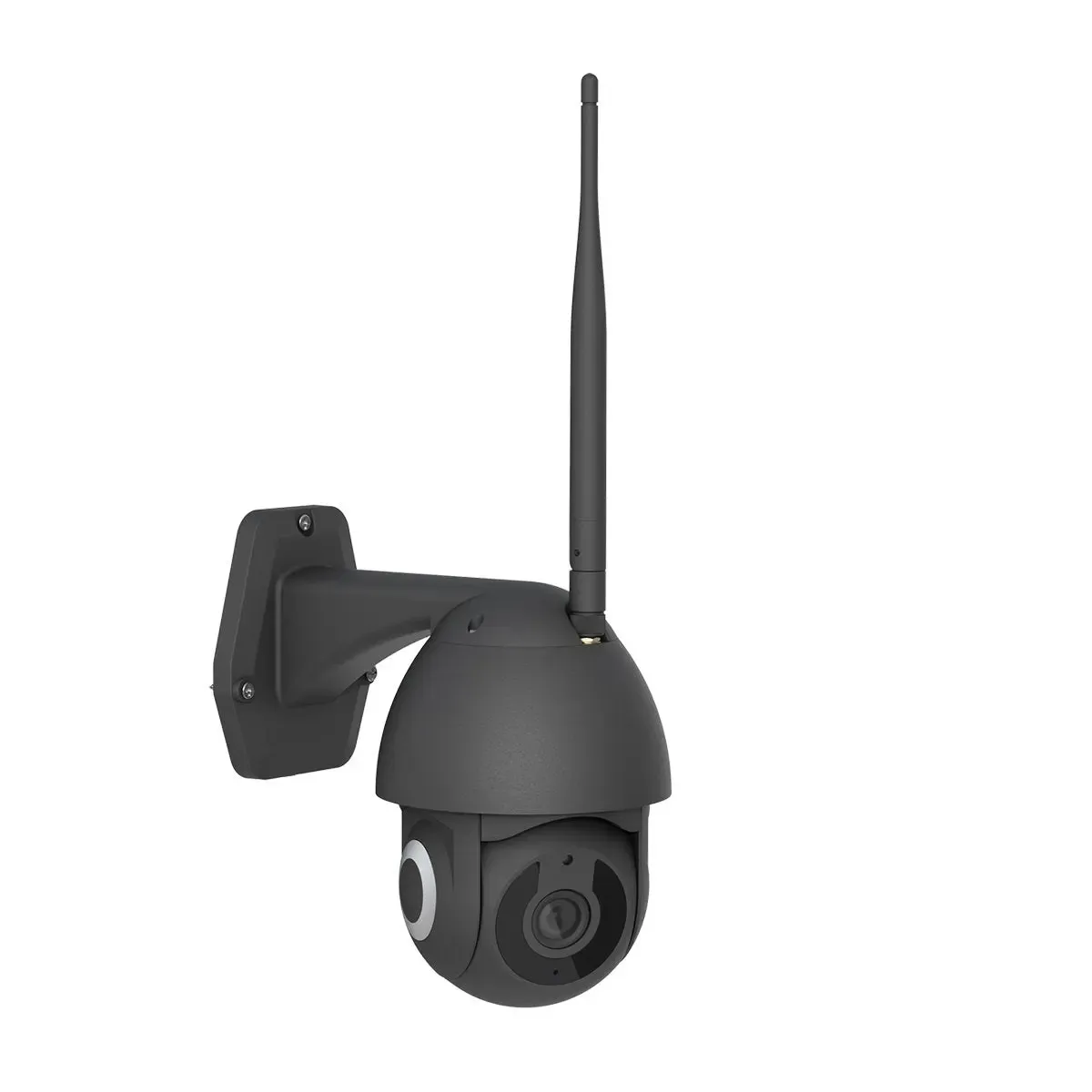
Wireless CCTV has seen huge innovation over the last few years. Gone are the days of grainy footage and dodgy Wi-Fi signals. Today’s wireless CCTV systems offer:
- 1080p or 4K resolution
- Night vision
- Two-way audio
- Cloud or SD card storage
- App alerts and remote playback
Many brands, including Eufy and Ener-J, offer standalone wireless cameras with the ability to integrate with a larger system. Wireless cameras can be battery-powered, mains-powered, or solar-assisted. Some also include smart features like person detection, vehicle alerts, or integration with Alexa and Google Assistant.
When choosing a CCTV setup, think about:
- Field of view and positioning
- Power source
- Recording method
- Weatherproofing (IP ratings)
For most UK homeowners, a mix of front door, rear garden, and side return coverage offers complete peace of mind.
DIY vs Professional Installation
Here’s where it gets interesting. Brands like ERA and even Texecom offer DIY kits that come with clear instructions and helpful mobile apps. These are ideal for confident users who want to save on installation costs.
However, for systems like Texecom Premier Elite or Scantronic’s i-on30R, professional installation is usually recommended, especially if you want police response or plan to integrate multiple zones, outbuildings, or automation triggers.
If you’re not sure, start with a basic kit and add devices over time. Many wireless systems are modular and can be scaled as your needs grow.

Legal Considerations: What You Need to Know in the UK
CCTV and Privacy Laws
You’re allowed to install CCTV at your property for security purposes, but if your cameras capture areas beyond your boundary (such as a neighbour’s driveway or a public path), you must comply with the UK GDPR and the Data Protection Act 2018.
That includes:
- Displaying signs warning people about CCTV recording
- Not keeping footage longer than necessary
- Ensuring the footage is secure and not misused
Burglar Alarm Notifications and Police Response
Wireless alarms that are connected to monitoring services may need to be registered with your local police force if you want them to respond to confirmed break-ins. This often requires:
- Two independent signal paths (like Wi-Fi and GSM)
- Professional installation and regular maintenance
- Compliance with BS EN 50131 standards
If your alarm is unmonitored, there are no legal requirements, but nuisance alarms (false alarms) can be investigated by your local council.
Cost and Ongoing Maintenance
Wireless systems vary in price depending on the brand, features, and whether monitoring is included. Entry-level ERA kits start from under £200, while a full Texecom or Scantronic setup with cameras, multiple sensors, and monitoring can cost upwards of £800, including installation.
You’ll also want to budget for:
- Battery replacements every 1-2 years
- App subscriptions or cloud storage for CCTV footage (where applicable)
- Annual servicing (if required for police response)
Is Wireless Security Right for You?
Wireless home security is no longer a compromise. It’s a leading choice for homeowners who want flexibility, control, and minimal disruption. Whether you want full smart integration, professional-grade alarm systems, or simple DIY solutions, there’s a wireless system for every property and budget.
If you’re starting fresh, ERA offers an easy on-ramp into home security. If you need something scalable and future-proof, Texecom is your brand. And for rock-solid, time-tested reliability, Scantronic delivers every time.